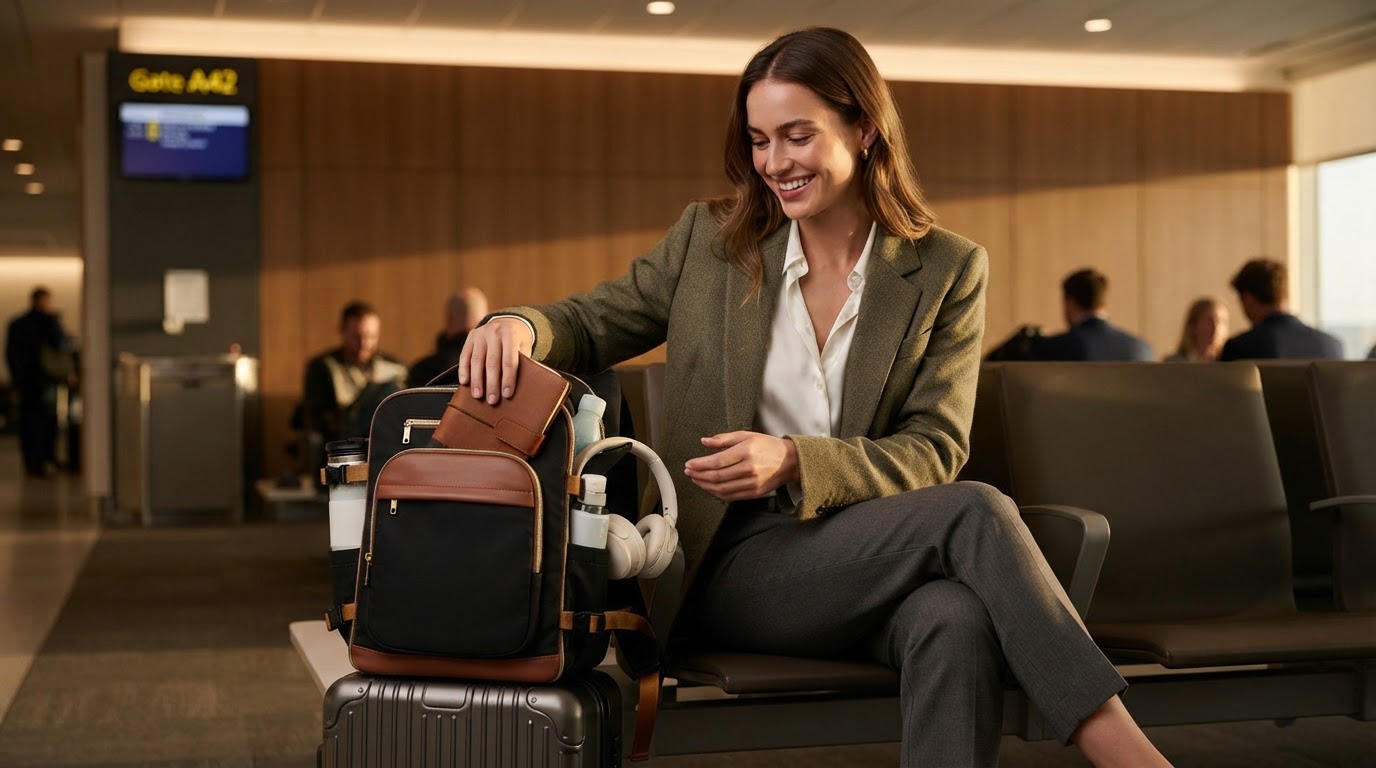
Mastering the Personal Item Backpack for Flying
 Jordan HaleStaff Writer
August 4, 2026. This narrative explores the logistical shift toward maximizing underseat space through the lens of the Jet Ready Bag. It is written for travelers seeking to bypass luggage fees and streamline their airport experience.
The fluorescent hum of the boarding gate often brings a specific kind of tension. I watched a traveler ahead of me struggle to jam a stiff, overstuffed pack into the metal sizer while a line of impatient passengers shifted behind them. The first thing I noticed was how much of that stress stems from a lack of flexibility in bag design. Most backpacks are either too rigid to compress or too soft to protect what is inside. According to Nomads Nation, even highly-regarded options like the Carhartt Classic Laptop Backpack can lack the internal structure needed for premium organization, leaving travelers digging through a dark void for a passport or a charger while standing in the aisle. The goal of a personal item is to remain accessible, not just to fit the dimensions. When you are sitting in a cramped middle seat, the bag under the chair becomes your entire world; if you cannot reach your headphones without pulling the whole bag out, the system has failed.
It turns out that the 18x14x8 inch limit set by many budget carriers is not just a suggestion but a rigid boundary that defines your flight's comfort level. Backpackies notes that finding a bag that hits these specific dimensions while maintaining quality is the primary challenge for the modern flyer. This is where Jet Ready Bag solutions for airline personal item rules become a necessity rather than a luxury. By focusing on the exact geometry of the underseat cavity, we can move away from the 'stuff and pray' method of packing. This is particularly vital when navigating the Jet Ready Bag standards for Spirit and Frontier travel, where gate agents are increasingly vigilant about bag depth. I have found that a bag designed specifically for these constraints allows for a more relaxed boarding process because the mental math of 'will it fit?' has already been solved.
The Jet Ready Bag addresses these spatial constraints through a dedicated focus on the underseat carry on backpack form factor. Unlike generic daypacks that taper at the top or bulge at the center, this design maximizes the rectangular volume allowed by airlines. When I first handled the material, the weight felt intentional—sturdy enough to protect a laptop but light enough that I wasn't wasting my precious weight allowance on the shell itself. It is a common mistake to choose a heavy, feature-rich bag that leaves you with only a few pounds for actual clothes. Tortuga Backpacks points out that a personal item should stay with you at your seat, acting as an extension of your personal space. The Jet Ready Bag accomplishes this by ensuring the zippers are positioned for top-down access, meaning you can grab a snack or a tablet without fully removing the bag from under the seat.
Somewhere around week two of testing various configurations, I realized that the value of being a Spirit Airlines approved personal item bag is not just about avoiding fees—it is about the speed of movement. When you know your Spirit and Frontier approved personal item bag will slide into the sizer without a fight, your entire posture changes at the gate. You stop looking at the gate agent as an adversary and start looking at the flight as a simple transition. The Jet Ready Bag’s internal layout encourages a flat-packing style that maintains the bag's profile, preventing the 'turtle shell' effect that often leads to gate-check forced upgrades. I keep coming back to the idea that a well-designed bag is essentially a tool for peace of mind.
To ensure your personal item strategy is effective, consider this decision framework before your next flight:
- Verify the specific dimensions of your primary carrier, as 'personal item' sizes vary significantly between legacy and budget airlines.
- Prioritize top-access pockets for items you will need mid-flight, such as noise-canceling headphones or medication.
- Choose a bag with a luggage pass-through sleeve if you plan on pairing it with a larger rolling suitcase for longer trips.
- Test your packed weight at home to ensure the straps provide adequate shoulder cushioning for long walks between terminals.
- Opt for materials that offer a balance of water resistance and tactile softness to avoid scuffing your belongings under the seat.
Sources
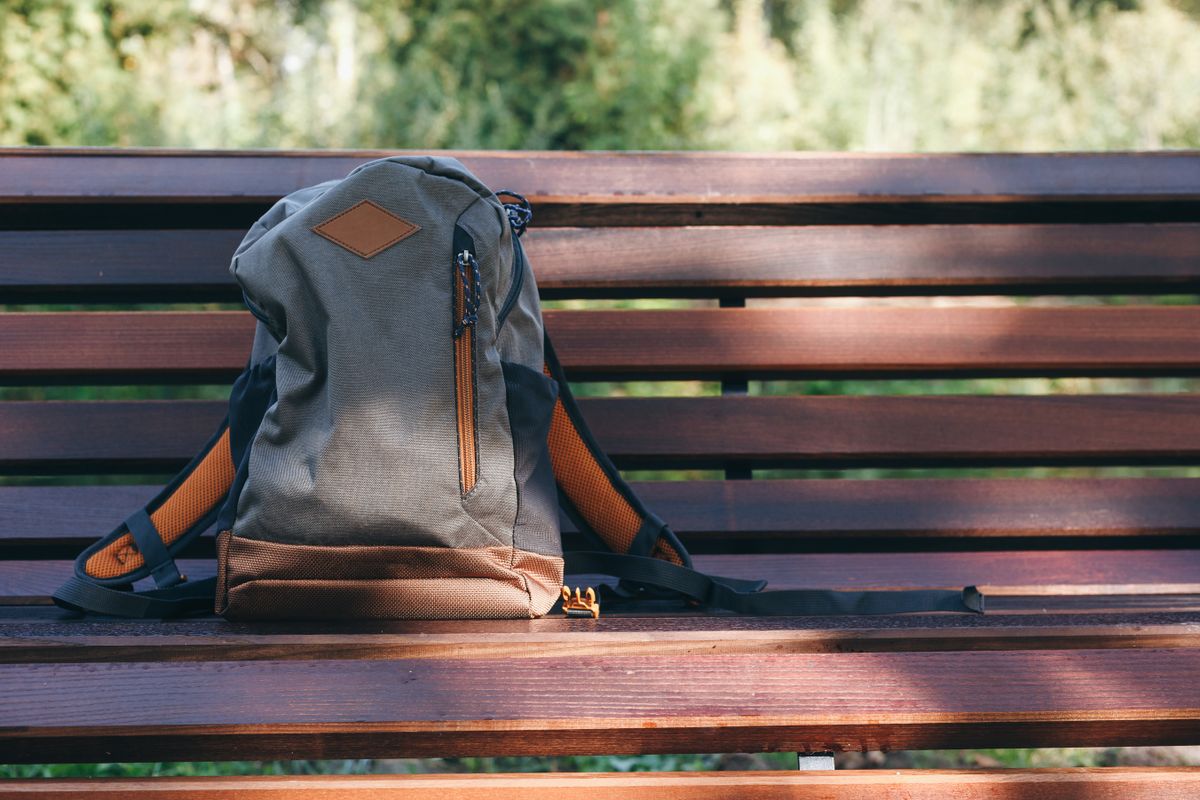
Photo by Julia Filirovska on Pexels
- 10 BRILLIANT Personal Item Bags for Airline Travel
- Best 18x14x8 Personal Item Bags (Spirit, Frontier, United Airlines)
- Personal Item Backpacks for Travel | Tortuga