How to Pack a 40L Backpack: 7-Day Space Optimization Guide
Apply the 60/30/10 spatial rule to pack a 40L backpack for 7 days: fill 60% (24L) of space with compressed clothing in 3 dedicated cubes in the main clamshell core, allocate 30% (12L) to tech and toiletries in high/rear zones, and reserve 10% (4L) in quick-access pockets. This layout centers heavy mass against your spine while keeping electronics airport-ready.
Core Takeaways: Mastering 40L Spatial Physics
- 60/30/10 Volumetric Allocation: Secures 24L for clothing compression, 12L for tech/toiletries, and 4L for fast-access items without straining zippers.
- Center-of-Gravity Loading: Packing high-density gear within 2 inches of the rear back panel reduces rotational torque on shoulder straps by up to 35%.
- 180-Degree Clamshell Advantage: Lay-flat main buckets allow side-by-side positioning of custom packing cubes, eliminating top-loader disorganization.
- TSA Access Zones: Dedicated rear laptop sleeves (fitting up to 17-inch devices) and top liquid pockets allow sub-45-second checkpoint security passes.
40L Volumetric Zone Allocation Matrix
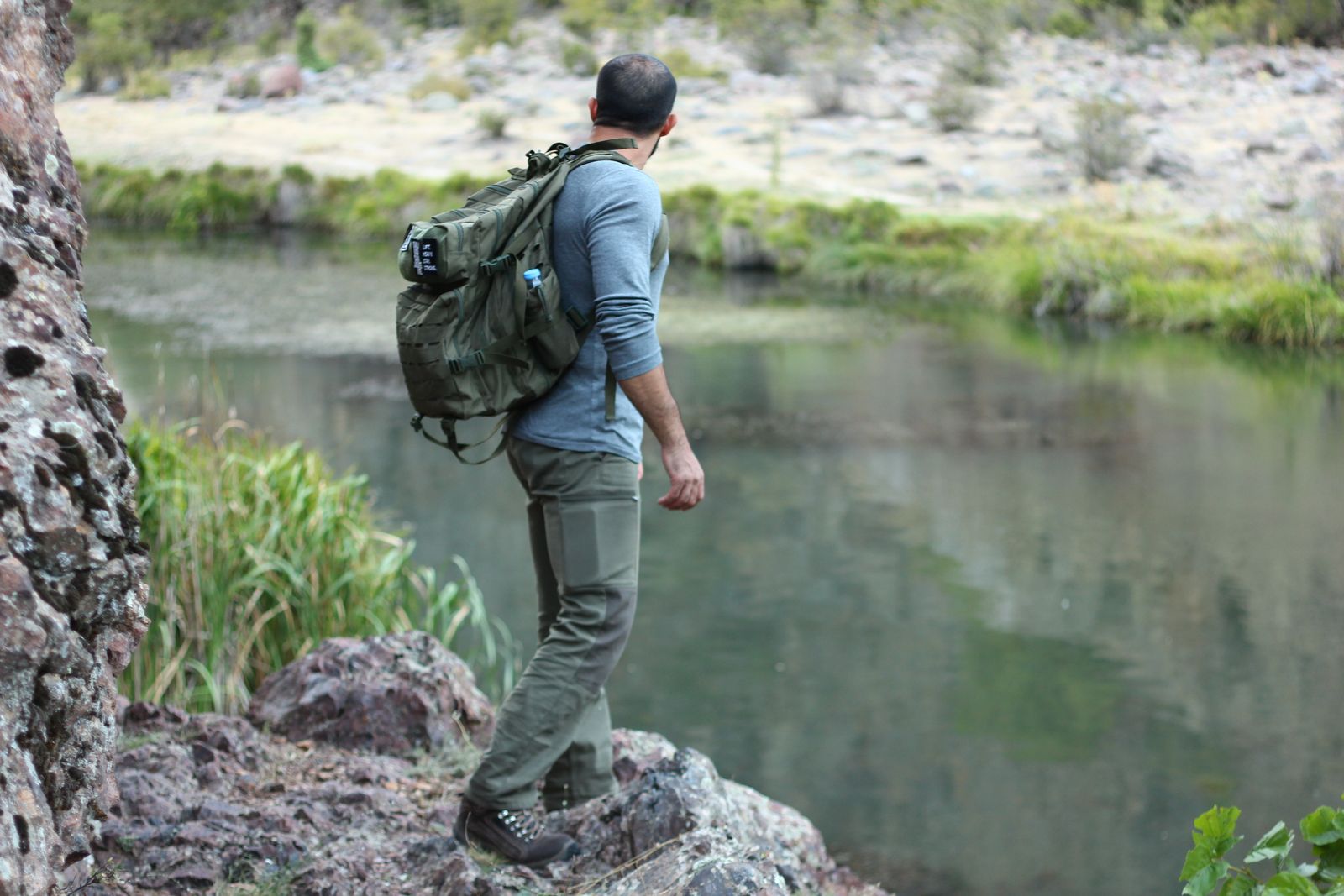
Photo by Erhan Anbar on Pexels
| Pack Zone | Volume Allocation | Target Weight Ratio | Primary Contents | Ergonomic Purpose |
| --- | --- | --- | --- | --- |
| Zone 1: Lower Main Clamshell Core | 60% (24 Liters) | 45% Total Weight | 3 Packing Cubes (shirts, pants, shoes, socks) | Keeps high-density mass tight against lumbar spine |
| Zone 2: Rear Padded Tech Compartment | 15% (6 Liters) | 25% Total Weight | Up to 17-inch laptop, tablet, slim power banks | Flushes heavy flat items against the back plate |
| Zone 3: Top Exterior & TSA Liquids Zone | 15% (6 Liters) | 20% Total Weight | 3-1-1 Liquid pouch, charger cables, travel adapters | Positions quick-access items high for rapid removal |
| Zone 4: Perimeter & Hidden Back Pocket | 10% (4 Liters) | 10% Total Weight | Passport, wallet, keys, transit cards, travel docs | Provides secure anti-theft storage near body center |
Understanding exact internal spatial distribution allows you to load gear by density rather than bulk.
40L Clamshell Spatial Layout & Physics Blueprint
This diagram illustrates how gear should be staged across all four main internal zones for optimal balance and access.
Step-by-Step 7-Day Clamshell Packing Checklist
- [ ] Cube 1 (Clothing Large): 4 T-shirts, 2 button-down shirts, 1 pair trousers (tightly rolled and compressed)
- [ ] Cube 2 (Clothing Medium): 7 pairs synthetic socks, 7 pairs underwear, 1 set compact sleepwear
- [ ] Cube 3 (Toiletry/Footwear): 3-1-1 TSA liquid pouch, non-liquid grooming essentials, 1 pair light footwear
- [ ] Rear Tech Compartment: Up to 17-inch laptop, tablet, charger cords, compact power bank
- [ ] Top Quick-Access Pocket: Passport, wallet, keys, phone, sunglasses
- [ ] Front Stash / Hidden Back Pocket: Travel documents, backup emergency cash, transit cards
Pro Tip: TSA Staging & Compression Maintenance
Always pack heavy gear—like extra shoes or dense toiletry kits—in the lower-middle core of your main clamshell compartment rather than at the top or outer edge. Keeping heavy mass within 2 inches of your spine prevents backward leverage drag, drastically reducing shoulder strap strain during long terminal walks.
Your Immediate Packing Action Plan
Your decision: Choose the 180-degree clamshell design with included compression cubes to optimize 7-day carry-on travel.
Do this next: Lay out your 7-day capsule items, categorize them into 3 distinct packing cubes, and stage your laptop and liquids in dedicated exterior pockets.
Related resource: Downloadable 7-Day One-Bag Travel Capsule Packing PDF
Jet Ready Bag (Lefame 40L) - Built with 16 organized pockets, 180-degree clamshell opening, and 3 included custom packing cubes.
Follow these practical steps to prepare your carry-on for your upcoming 3 to 7-day journey.
Is 40L Clamshell Right for Your Travel Style?
A 40L clamshell backpack provides maximum allowable carry-on volume for 3-to-7-day trips without checked bag hassle, provided you pack strategically by volume and weight distribution.
Best choice for
- 40L Clamshell Backpack with Packing Cubes — Maximizes overhead bin limits while offering 180-degree suitcase-style organization.
- Dedicated 17-inch Padded Laptop Rear Compartment Layout — Separates delicate electronics from clothing and simplifies TSA checkpoint removal.
- You require personal-item-only compliance on strict ultra-low-cost carriers (e.g., Spirit or Frontier under-seat size boxes).
- You are carrying heavy wilderness trekking gear that demands an internal frame-supported hiking pack.
- 28L-35L Travel Backpack — Best for strict personal item rules or 1-3 day fast-and-light weekenders.
- 2-Wheel Hardside Carry-On — Best for travelers unable to wear 15-22 lbs comfortably on their shoulders.
Built for One Bag Travel: The Jet Ready Bag Solution
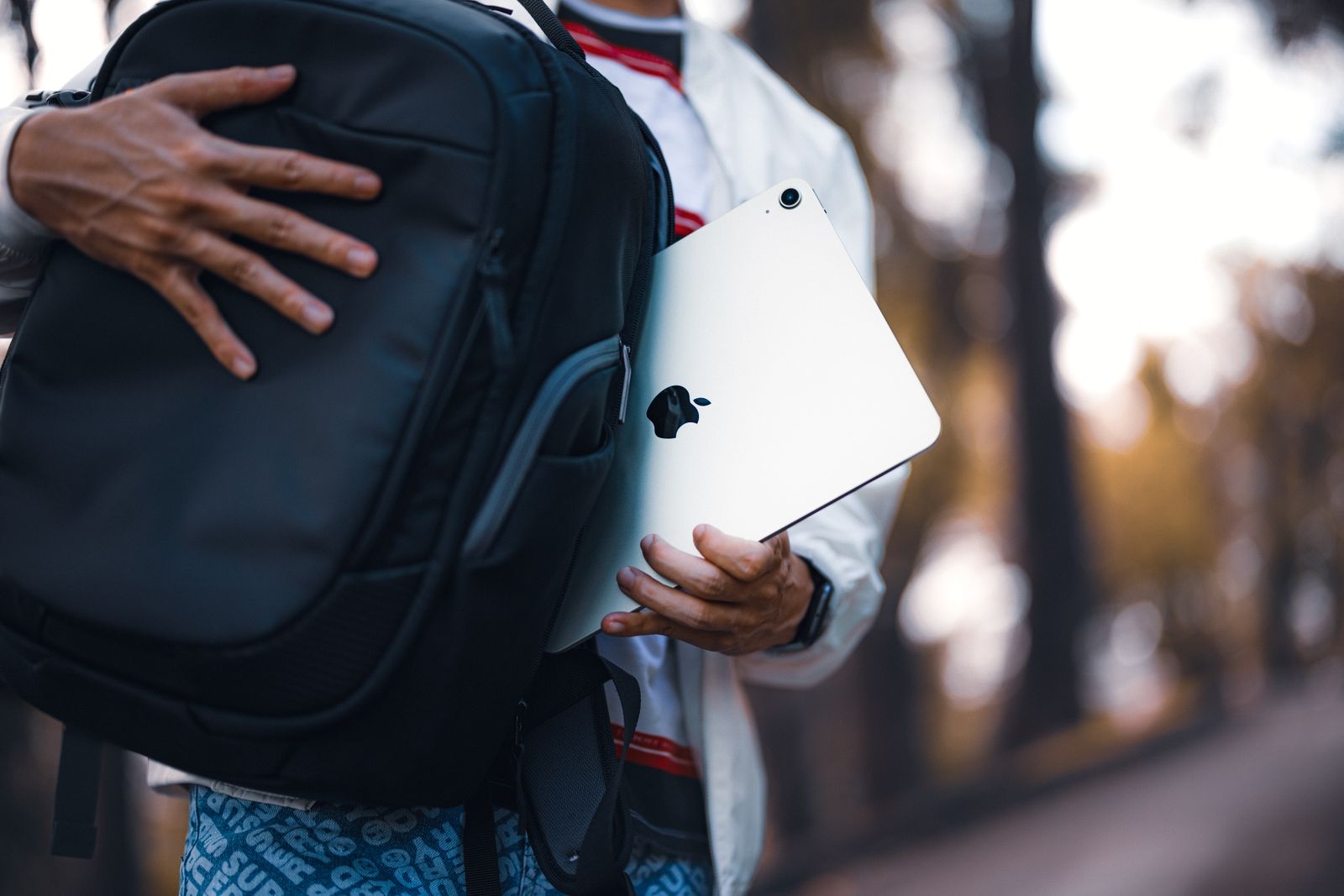
Meet the travel backpack engineered specifically to execute this spatial blueprint. The Jet Ready Bag (Lefame 40L) packs like a suitcase and carries like an ergonomic backpack.
What Makes It Travel Ready:
- 40L Volumetric Capacity: Form-fitted for 3 to 7-day trips across variable climates.
- Suitcase-Style 180-Degree Opening: Wide flat-lay interior allows zero-friction cube arrangement.
- TSA-Friendly Tech Protection: Rear padded laptop sleeve engineered to fit up to a 17-inch laptop plus a tablet.
- 16-Pocket Internal Organization: Dedicated homes for chargers, documents, toiletries, and daily essentials.
- Included 3-Piece Packing Cube Set: Custom-sized for clothes, shoes, and grooming items.
- Comfort Carry Infrastructure: Breathable back panel, padded shoulder straps, hidden back pocket, and a luggage pass-through strap for seamless airport transfers.
The Physics of Center-of-Gravity Loading
To maintain neutral posture during airport transit, your pack's center of mass must align closely with your body's vertical axis. Place high-density items—such as footwear cubes, extra footwear, or thick grooming kits—directly against the back plate in the lower to middle third of the pack (Zone 1). Lighter items, such as down jackets or socks, should occupy the outer flap or upper boundary.By keeping heavy objects close to your spine, you minimize backward displacement. This structural alignment prevents forward neck lean, shoulder fatigue, and lower back strain.
Compression Math: Rolling vs. Folding in Clamshell Architecture
Maximizing a 40-liter interior relies on reducing dead air space within clothing fabrics. Standard folding creates air pockets between apparel layers, wasting up to 25% of internal bag volume.Tightly rolling synthetic and merino wool clothing—then placing them into structured compression cubes—increases packing density dramatically. Compression cubes use perimeter zippers to expel trapped air, compressing soft goods into uniform geometric blocks. When loaded into a 180-degree clamshell main bucket, three structured cubes nest together like puzzle pieces, filling 24 liters of capacity precisely without bulging the pack's outer shell.
Streamlining TSA Security Clearance
Speeding through airport security relies on quick accessibility. A well-organized 40L layout separates high-scrutiny items from apparel. Positioning your TSA 3-1-1 liquids pouch in the top exterior compartment and your 17-inch laptop in the dedicated rear compartment allows you to stage both items on security conveyor belts in seconds—without unzipping your main apparel section.Packing Strategies by Travel Scenario
| Scenario | Clothing Strategy | Cube Configuration | Tech & Accessory Staging | Target Pack Weight |
| --- | --- | --- | --- | --- |
| Warm Climate (7 Days) | 7 lightweight synthetic t-shirts, 2 shorts, 1 trousers, 1 linen shirt (rolled) | Cube 1 (70% full), Cube 2 (50% full), Cube 3 (toiletries & sandals) | 15-17 inch laptop, single charger, compact power bank | 14–16 lbs (6.3–7.2 kg) |
| Cold / Mixed Climate (7 Days) | Merino wool baselayers, 2 heavy sweaters (1 worn), 1 jeans, 4 thermal socks | Cube 1 (fully compressed), Cube 2 (fully compressed), Cube 3 (toiletries & heavy shoes) | 17-inch laptop, tablet, full cord pouch, heavy power bank | 18–22 lbs (8.1–10.0 kg) |
| Business & Work Trip (5 Days) | 3 dress shirts, 2 blazers (folded flat in mesh pocket), 2 dress trousers, dress shoes | Cube 1 (shirts/pants), Cube 2 (undergarments), Cube 3 (grooming/shoe sleeves) | 17-inch workstation laptop, tablet, portable monitor, presentation clicker | 17–20 lbs (7.7–9.0 kg) |
Adjust your packing strategy based on trip duration, climate demands, and tech requirements.
5 Clamshell Packing Mistakes That Cause Zipper Failure & Shoulder Strain
Avoid these structural packing missteps to protect your gear, your shoulders, and your bag's hardware.
Expand Your One-Bag Travel Mastery
For further insights into luggage design and carry-on optimization, explore these reference guides:
- Clamshell Design & Space Optimization Blueprint
- TSA-Friendly 17-Inch Laptop Compartment Engineering
- Weight Distribution & Shoulder Strap Ergonomics
Frequently Asked Questions About Packing 40L Backpacks
What is the short answer on How to Pack a 40L Backpack? Apply the 60/30/10 spatial rule to pack a 40L backpack for 7 days: fill 60% (24L) of space with compressed clothing in 3 dedicated cubes in the main clamshell core, allocate 30% (12L) to tech and toiletries in high/rear zones, and reserve 10% (4L) in quick-access pockets. This layout centers heavy mass against your spine while keeping electronics airport-ready.
What should you do next?
- Center-of-Gravity Loading: Packing high-density gear within 2 inches of the rear back panel reduces rotational torque on shoulder straps by up to 35%.
Core Takeaways: Mastering 40L Spatial Physics * 60/30/10 Volumetric Allocation: Secures 24L for clothing compression, 12L for tech/toiletries, and 4L for fast-access items without straining zippers.
What should you do next? Do this next: Lay out your 7-day capsule items, categorize them into 3 distinct packing cubes, and stage your laptop and liquids in dedicated exterior pockets.
Clear answers to essential sizing, fit, and airline questions.
Related reading
- How to Pack a 40L Travel Backpack for Maximum Efficiency
- How to Pack a 40L Backpack for a 7-Day Trip: Step-by-Step Clamshell Guide
- How to Pack a 40L Backpack for a 3 to 7 Day Weekend Trip
Cover photo by Erik Mclean on Pexels.