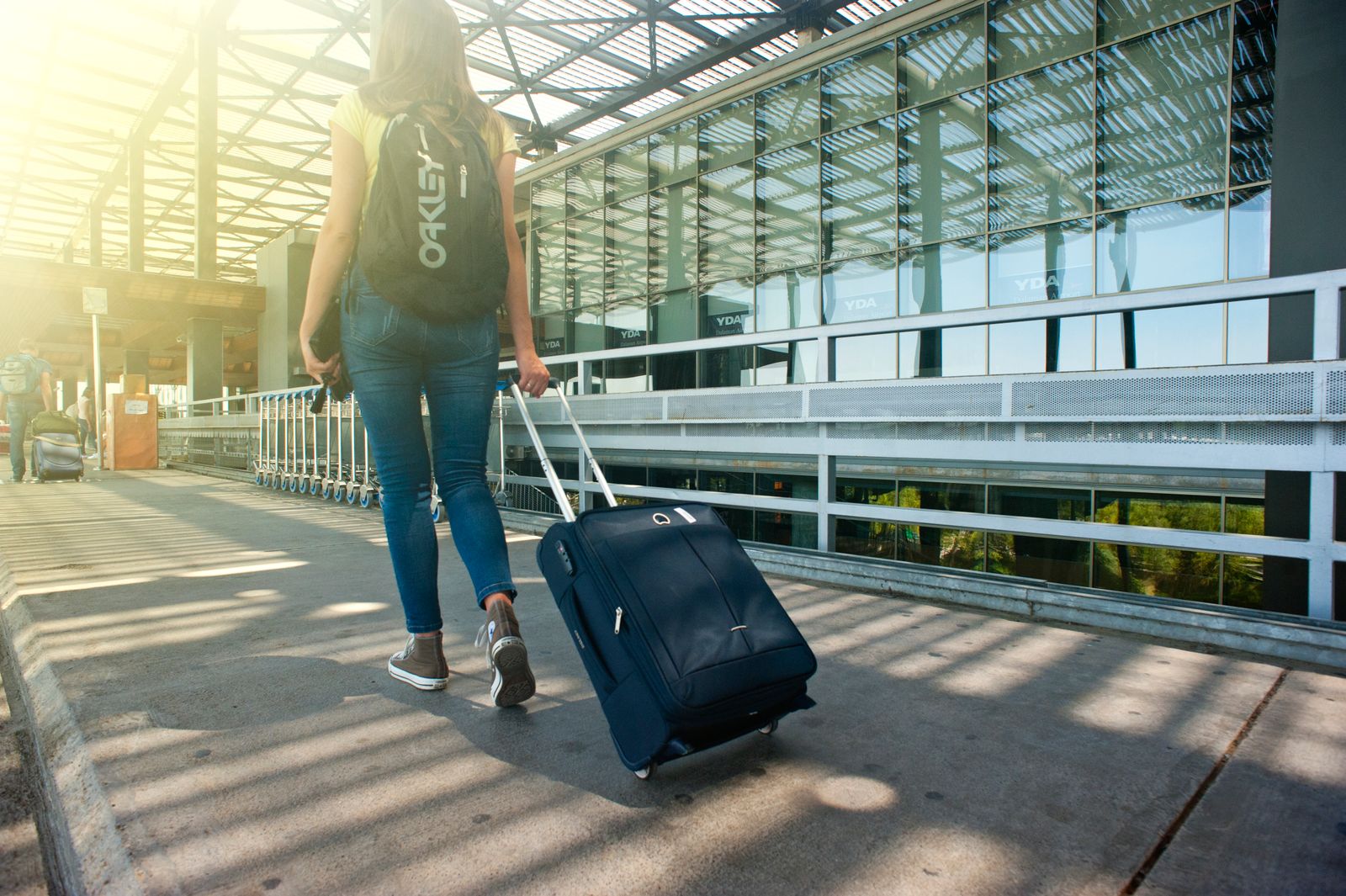
Breathable Back Panel Travel Backpacks: Science & Airflow Guide
Rule of thumb: A travel-ready breathable back panel requires 10mm to 15mm of continuous vertical channel depth to maintain convective airflow under a 35 lb carry-on load. Contoured 3D EVA foam air channels dissipate torso surface heat by up to 30% while retaining 100% of rectangular 40L packing volume—unlike curved trampoline hiking frames that sacrifice 10% to 15% of internal carry-on capacity.
Key Takeaways: Airflow vs. Carry-On Volume
- 15mm Vertical Chimney Effect: Central air channels vent thermal body heat upward and away from the lumbar spine during high-exertion transit.
- 0% Packing Volume Displacement: 3D contoured EVA foam panels maintain a full 40L rectangular interior, preserving flat storage for 17-inch laptops and packing cubes.
- 35 lb Load Resistance: High-density, closed-cell and open-cell hybrid EVA foam ridges prevent air-channel compression over years of travel.
- 40% Faster Evaporation: Pairing 3D moisture-wicking air mesh with synthetic or merino wool apparel accelerates sweat drying during warm airport sprints.
Backpack Ventilation Specification & Architecture Matrix
Photo by Atlantic Ambience on Pexels
| Back Panel System | Channel Depth (mm) | Volume Loss (%) | Thermal Energy Dissipation (%) | 17-Inch Laptop Sleeve Stability |
| --- | --- | --- | --- | --- |
| 3D Contoured EVA Air-Channel (Lefame 40L) | 12mm – 15mm Vertical Chimney | 0% (Full 40L Rectangular Capacity) | Up to 30% Thermal Reduction | Flat & Uncompromised |
| Trampoline Suspended Mesh Frame | 25mm – 40mm Arc Clearance | 10% – 15% Curved Volume Loss | Up to 45% Thermal Reduction | Bowed & Severely Restricted |
| Standard Flat Closed-Cell Foam | 0mm – 2mm Flush Surface | 0% (Full Rectangular Capacity) | Less than 5% Thermal Reduction | Flat & Uncompromised |
Comparative engineering metrics analyzing ventilation depth, thermal energy reduction, and carry-on efficiency across primary back panel architectures.
Anatomy of Airflow: How 3D Mesh Channels Transport Heat
Understanding how convective airflow operates within a travel backpack requires examining the structural isolation between the back panel's outer cushion ridges and the internal laptop sleeve.
Expert Packing Tip: Protecting Air Channel Geometry
When packing soft clothing into a 40L travel backpack, avoid stuffing heavy garments loosely against the interior rear wall. Unstructured soft items bulge outward under pressure, pressing the interior lining against the backboard frame sheet and reducing the 15mm central air channel's effective depth by up to 50%.
Actionable solution: Always pack clothing inside structured, rectangular packing cubes (such as the 3 included with the Lefame 40L). Place flat packing cubes directly against the laptop backboard wall. This creates a rigid flat surface inside the pack, ensuring the exterior 3D EVA foam ridges maintain their full 15mm clearance and uninterrupted convective airflow against your spine.
Immediate Actions for Maximum Airflow Comfort
Your decision: Select a 40L travel backpack engineered with 3D contoured EVA foam air channels to maximize back ventilation while retaining 100% of rectangular carry-on space.
Do this next: Inspect your current pack's back panel under load to ensure it maintains at least 10mm of central air channel depth without bowing your laptop sleeve.
- Read next: Best Fabrics for One-Bag Travel Apparel: Merino Wool vs. Synthetics vs. Cotton
- Read next: How to Stop Backpack Shoulder Strain When One-Bag Traveling
Upgrade to the Lefame 40L Travel Backpack featuring integrated 3D air-channel back padding, a TSA-friendly 17-inch laptop compartment, and included packing cubes for ultimate travel comfort.
Follow these practical recommendations to optimize back panel ventilation and balance weight distribution on your next trip.
Decision Matrix: Trampoline Mesh vs. 3D Air-Channel Panels
Choosing between a 3D contoured air-channel back panel and a trampoline suspended mesh frame comes down to a trade-off between absolute maximum airflow and carry-on packing rectangularity.
Best choice for
- 3D Contoured EVA Air Channels — Preserves 100% of usable 40L rectangular packing volume, fits overhead bins flat, and maintains a flat 17-inch laptop sleeve.
- 3D Contoured EVA Air Channels — Delivers 30% thermal heat reduction while supporting luggage pass-through straps and 180-degree flat-lay packing.
- You are embarking on multi-day backcountry wilderness hiking where absolute peak airflow (45% reduction) outweighs the need for rectangular carry-on dimensions and flat laptop storage.
- Trampoline Suspended Mesh Frame — Offers maximum ventilation clearance (25mm–40mm) but reduces internal volume by 10%–15% and creates a curved back cavity that prevents flat-packing laptop sleeves and packing cubes.
Top Travel Backpack for Breathable Ergonomics & Maximum Volume
Engineered specifically for one-bag travel, the Jet Ready Bag balances high-efficiency air ventilation with maximum overhead carry-on capacity.
Thermal Conduction vs. Convective Air Chimneys
When carrying a loaded 40L backpack weighing between 20 and 35 lbs, your upper torso generates significant metabolic heat. Standard flat foam panels lock heat directly against your shirt through thermal conduction. Because closed-cell foam acts as an insulator, back skin surface temperatures can rise by 8°F to 12°F within 15 minutes of brisk walking through an airport terminal.To counteract this heat trap, advanced travel backpacks employ convective heat transfer. By carving 12mm to 15mm vertical channels into high-density EVA foam, air is forced upward through a natural chimney effect. As ambient air enters from the lower lumbar region, body heat warms the air in the channel, causing it to rise and exit out the top shoulder region. This continuous convective loop reduces thermal buildup against your back skin by up to 30%.
Open-Cell 3D Mesh vs. High-Density EVA Foam
Effective back panel architecture relies on a hybrid material approach:Protecting the 17-Inch Laptop Sleeve
A common engineering failure in ventilated packs occurs when a flexible back panel bows inward under heavy loads, squeezing the laptop sleeve. The Lefame 40L solves this issue by integrating a rigid interior backboard frame sheet between the EVA foam ridges and the laptop compartment. This structural barrier ensures that even when carrying a full 17-inch laptop and tablet, torso pressure remains on the outer foam pods while the laptop sleeve remains 100% flat and uncompressed.Suitcase Efficiency Meets Ergonomic Travel
Travelers often assume they must choose between a technical hiking pack with great airflow or a boxy travel suitcase bag with great volume. The 180-degree wide-open clamshell design of the Lefame 40L delivers the best of both worlds: 100% usable rectangular carry-on space paired with the ergonomic breathability of a high-performance 3D air-channel back panel. Combined with its 16 organizational pockets, water-resistant exterior, and included 3 packing cubes, travelers can pack for 3 to 7 days while staying cool and dry on the move.Ventilation Performance Across Travel Scenarios
| Travel Scenario | 3D Contoured Air Channel (Lefame 40L) | Trampoline Suspended Mesh | Standard Flat Padded Foam |
| --- | --- | --- | --- |
| Airport Terminal Security Sprints (High Exertion) | 15mm air chimney maintains 30% thermal dissipation; 180° clamshell opens flat for rapid TSA screening. | 40% thermal dissipation; curved frame geometry obstructs rapid laptop extraction. | 0% active ventilation; causes immediate sweat absorption into back panel fabric. |
| Overhead Bin Packing & TSA Dimensional Limits | 100% rectangular volume utilization (40L max capacity); fits flat in standard overhead bins. | Loses 10%–15% internal volume due to frame arc; difficult to fit flush in tight overhead bins. | 100% rectangular volume; easy overhead fit but lacks ergonomic airflow. |
| Hot Climate Urban Transit (85°F+ / High Humidity) | 3D open-cell mesh vents moisture upward; prevents fabric dampness during 30+ min walks. | Maximum airflow keeps back cool; however, curved main compartment limits gear weight distribution. | Traps thermal heat against spine; results in severe fabric sweat-soaking within 10 minutes. |
| Business Travel with a 17-Inch Laptop | Rigid internal frame sheet keeps 17-inch laptop sleeve completely flat and protected. | Bowed backboard pinches 17-inch laptop sleeve, straining zippers and screen edges. | Laptop fits flat, but body heat transfers directly into the laptop compartment. |
Scenario-based analysis evaluating back panel structural response, thermal heat displacement, and TSA transit efficiency.
Critical Mistakes Travelers Make with Ventilated Backpacks
Avoid these 4 frequent packing and operational errors to maintain maximum airflow and protect your gear.
Essential Guides on Travel Ergonomics & Fabric Selection
Expand your knowledge on efficient packing mechanics, ergonomic carry systems, and travel apparel fabrics:
- Best Fabrics for One-Bag Travel Apparel: Understanding how merino wool, technical polyester knits, and nylon blends work with breathable backpack panels.
- How to Stop Backpack Shoulder Strain: Adjusting hip belts, sternum straps, and load lifters for proper weight distribution.
- 180-Degree Flat-Lay vs. Top-Loading Backpacks: Why clamshell opening designs speed up airport security checkpoints.
Frequently Asked Questions About Backpack Ventilation
Technical answers to common reader questions regarding back panel depth, cleaning procedures, and long-term durability.
Cover photo by Atlantic Ambience on Pexels.