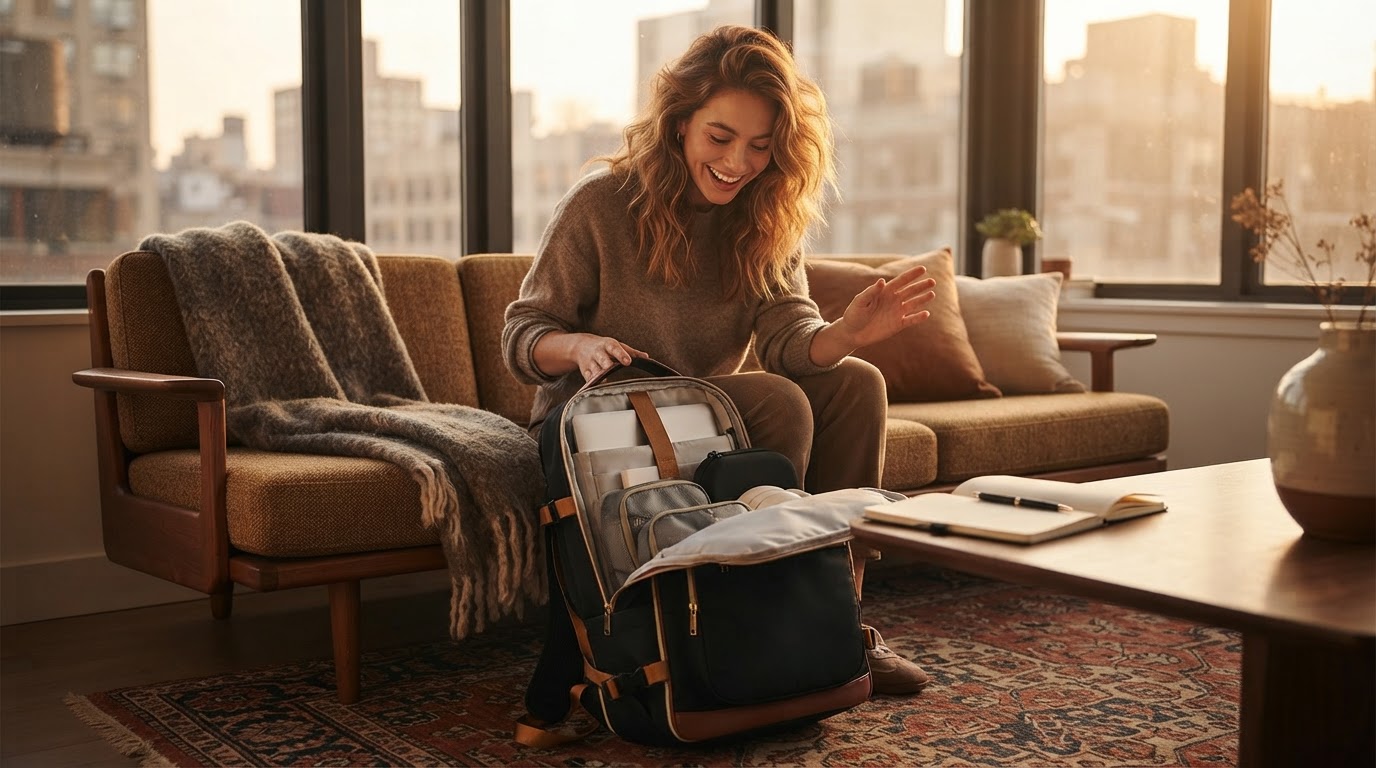
How do I pack a 40L Jet Ready Bag for a week?
 Maya ChenContributing Editor
October 9, 2026 — Packing a 40L Jet Ready Bag for a seven-day trip requires a strategy focused on center-of-gravity management rather than the simple pursuit of maximum volume.
Travelers often struggle with 40L capacities because they treat the bag like a bottomless pit rather than a structured piece of luggage. The conventional wisdom says that rolling clothes is the most efficient way to save space, but this ignores the reality of weight distribution and how it affects the wearer's posture over long durations.
How does weight distribution affect 40L packing?
Weight distribution is the single most important factor when loading a 40L backpack, as placing heavy items at the bottom creates a pendulum effect that strains the shoulders. Run the math: a standard 40L load weighing 10kg feels significantly heavier if the density is concentrated away from the spine. The Jet Ready Bag design encourages placing the heaviest items—such as electronics or footwear—in the middle section, closest to the back panel. This alignment ensures that the load is transferred to the hips rather than pulling the torso backward. Choosing the best 40l travel backpack for carryon involves looking for internal compression straps that prevent these heavy items from shifting during transit. Failure to secure the load internally results in a shifting center of gravity that can cause fatigue within thirty minutes of walking.
Why is the opening style critical for organization?
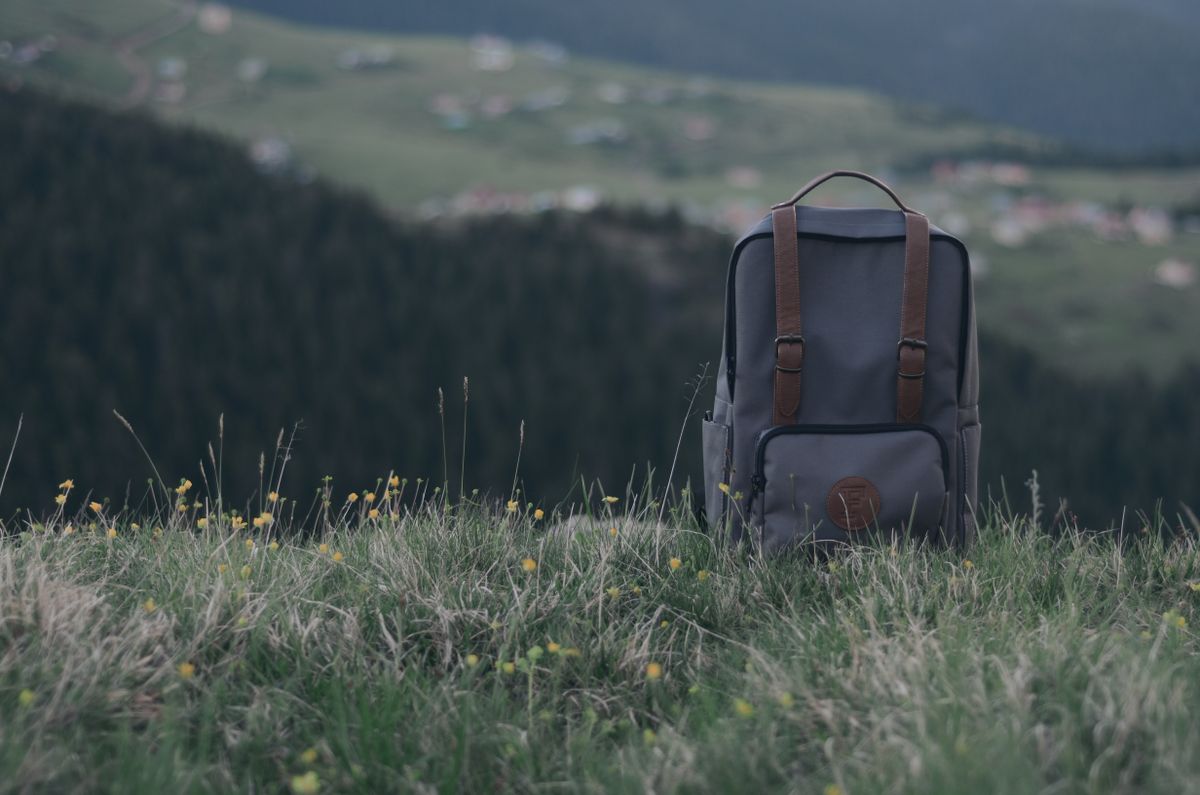
Accessing gear in a 40L bag depends entirely on whether the architecture allows for a full visual inventory without total unpacking. Here's the part nobody talks about: top-loading bags are mathematically inefficient for organization because they force a vertical stack where the most-needed items are inevitably at the bottom. The clamshell opening vs top loading travel backpack debate is settled by the efficiency of the suitcase-style layout found in the Jet Ready Bag. This configuration allows for the use of rectangular packing cubes that utilize 95% of the available corner space, which is often lost in rounded top-loaders. Utilizing the best 40l backpack with suitcase opening provides a flat workspace to organize layers, which is essential when trying to fit a week's worth of attire into a carry-on footprint. I'll change my mind when a top-loading design can prove it doesn't require five minutes of digging to find a single pair of socks.
Quick answers
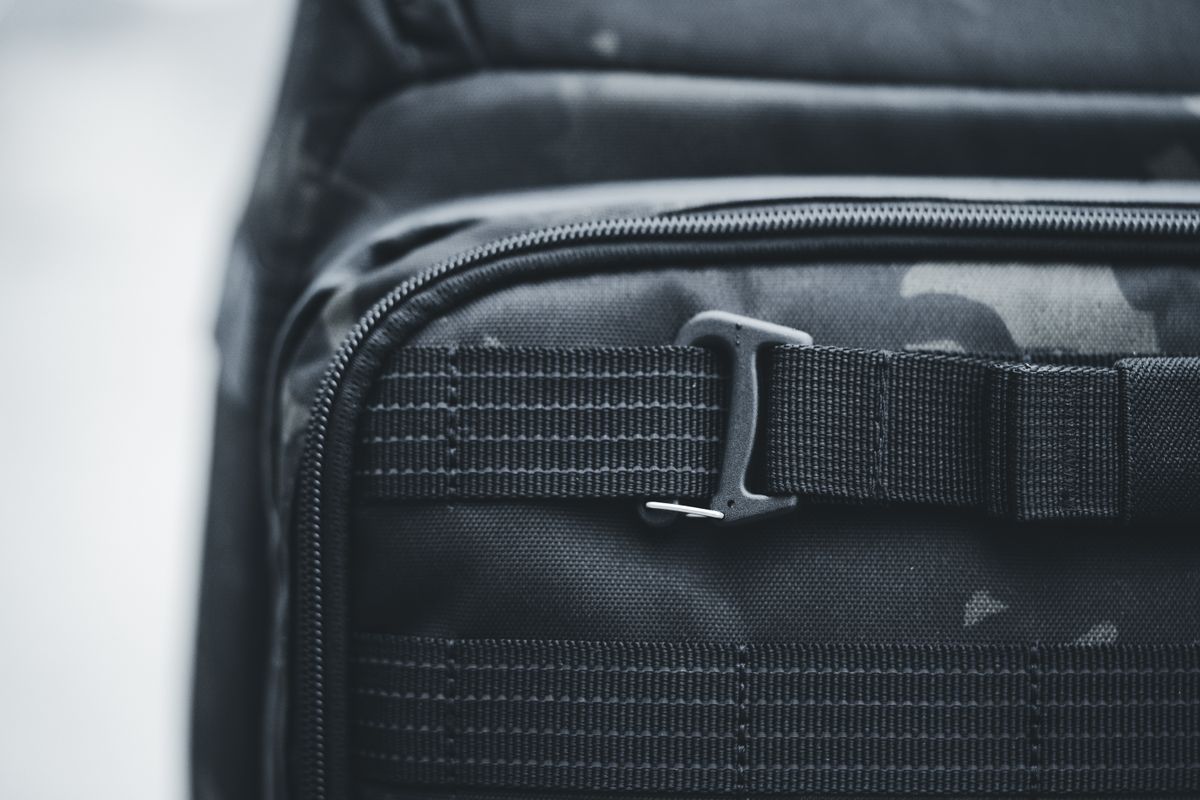
Photo by Erik Mclean on Pexels
Q: How many outfits can fit in a 40L Jet Ready Bag? A: A disciplined packer can fit approximately 5 to 7 days of clothing, including two pairs of shoes and a lightweight jacket, provided they use compression cubes. The 40L volume is specifically designed to meet the 55x35x20cm dimensions required by most international airlines.
Q: Should I use packing cubes or roll my clothes? A: Packing cubes are superior for the Jet Ready Bag because they provide structural integrity to the soft-sided fabric. While rolling may save marginal space, cubes allow for modular weight distribution which is critical for a 40L load.
Q: Is a 40L bag too big for a carry-on? A: No, the 40L capacity is the industry standard for maximum carry-on size, though weight limits vary. Most European carriers like Lufthansa or Ryanair enforce a weight cap between 8kg and 10kg, regardless of the bag's liter capacity.
Learn more about Jet Ready Bag at https://jetreadybag.com.