Packing Cubes for Clamshell Backpacks: 40L Layout & Selection Guide
When you are packing a 40L clamshell backpack for a 5-day trip and need your 17-inch laptop to slide smoothly into the rear panel, volume geometry is critical. Use structured, low-profile rectangular cubes (1 large apparel cube, 1 medium toiletry/shoe cube, and 1 slim accessory pouch) that match the pack's 180-degree wide-open footprint. Keep individual cube depth under 3.5 inches and combined depth under 8 inches to preserve laptop compartment clearance, balance weight along your spine, and prevent exterior zipper strain.
Decision Support: Packing Cube Configurations by Trip Type
Choose low-profile, structured rectangular packing cubes designed to match the 180-degree wide-open footprint of a 40L carry-on backpack. Avoid over-stuffed cylindrical sacks that create dead corner space and bow into the rear laptop sleeve.
Best choice for
- Structured 3-Piece Rectangular Cube Set (1 Large Apparel, 1 Medium Tech/Toiletries, 1 Shoe Bag) — Maintains crisp clothing folds, fits flush against the laptop divider wall, and allows rapid TSA extraction without rearranging gear.
- Double-Zipper Ultra-Light Compression Cubes — Reduces soft clothing volume by up to 40%, leaving room for an extra jacket or footwear without exceeding carry-on depth limits.
- Using cylindrical or unstructured laundry sacks that roll around and leave empty triangle gaps in clamshell corners.
- Overpacking compression cubes beyond 4 inches in depth, which bulges directly into the 17-inch rear laptop compartment.
- Built-in Internal Mesh Dividers — Saves minimal weight but lacks modular extraction capability when unpacking at a hotel or navigating security checkpoints.
Side-by-Side Evaluation: Standard Mesh vs. Compression Cubes
| Feature / Metric | Standard Mesh Modular Cubes | Double-Zipper Compression Cubes | Unstructured Stuff Sacks |
| --- | --- | --- | --- |
| Primary Form Factor | Flat rectangular box profile | Tapered box (narrow edges, center focus) | Cylindrical / rounded pillow shape |
| Corner Space Utilization | 100% (Fills 90-degree internal corners) | 85% (Slight corner radius rounding) | 50% (Leaves significant dead corner gaps) |
| Max Depth Profile | 3.0 to 3.5 inches uniform depth | 2.5 inches compressed / 5.0 inches over-packed | 5.0 to 7.0 inches rounded bulge |
| Laptop Sleeve Clearance | Zero distortion (Sits completely flush) | Safe if unforced; bulges if overstuffed | High risk of bowing laptop back panel |
| Zipper Tension on Main Bag | Low (Uniform spatial load) | Moderate (Concentrated zip seams) | High (Creates localized bulge pressure) |
| Recommended Use Case | 3–5 Day Trips & Wrinkle-Sensitive Gear | 5–7 Day Capsule Wardrobe Packing | Not recommended for clamshell travel |
This side-by-side evaluation compares how different cube architectures fit inside a 180-degree flat-lay 40L main compartment.
Expert Packing Tip: The Spine-First Weight Distribution Rule
To eliminate shoulder pull and keep your backpack balanced when walking through airport terminals, anchor your heaviest items along the back panel directly adjacent to your spine.
When a 180-degree clamshell backpack is open flat on a packing surface, the panel facing the table is the back panel (and laptop zone). Place dense footwear and heavy dopp kits along the bottom edge of this panel. Placing heavy items in the top exterior flap shifts the bag's center of gravity away from your body, creating a backward torque that causes shoulder fatigue.
Visual Mapping: The 40L Clamshell Modular Grid Layout
The diagram specification below details the spatial placement required to maximize a 40L flat-lay interior while maintaining complete laptop sleeve safety.
Top Recommendation: Integrated Clamshell Packing Set
For travelers who want guaranteed compatibility without measuring dimensions, the Jet Ready Bag (Lefame 40L Travel Backpack) offers a built-in modular solution. Built specifically for one-bag travel, it pairs a 180-degree suitcase opening with three included custom-fit packing cubes tailored to its 40L main cavity.
- Perfect Spatial Fit: 3 custom cubes eliminate wasted corner volume without bowing the rear panel.
- 17-Inch Laptop Protection: Dedicated padded rear compartment maintains full clearance even when the main bag is fully packed.
- Airport Ready: Suitcase-style packing combines with a luggage pass-through strap, hidden security pocket, and TSA-friendly layout.
Next Steps for Ideal Carry-On Organization
Your decision: Determine whether your travel style prioritizes maximum wrinkle-free organization (Standard Structured Cubes) or maximum clothing volume reduction (Compression Cubes).
Do this next: Select a 3-piece modular cube set with depth under 4 inches per cube to maintain flat-lay architecture and protect your laptop compartment.
- Read next: Troubleshooting Clamshell Packing: How to Fix Overpacking, Zipper Strain & Balance Issues
Jet Ready Bag (Lefame 40L Travel Backpack with Included 3 Packing Cubes)
Ready to build your optimal carry-on setup? Follow these steps to prepare for your next trip.
Featured One-Bag Travel System
Engineered for minimalist travel, business trips, and weekend getaways.
Key Takeaways for Clamshell Packing Architecture
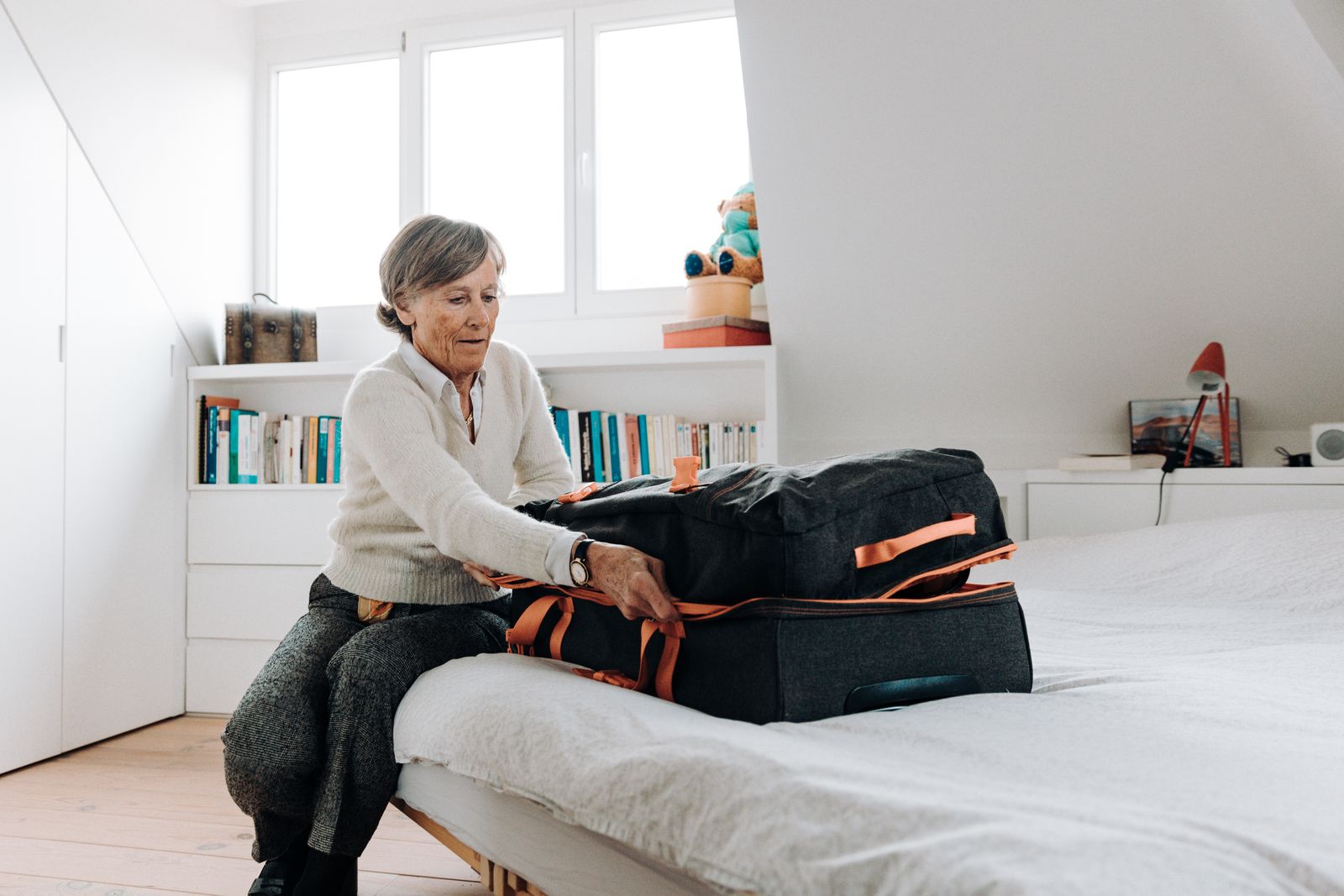
Photo by Wheeleo Walker on Pexels
- Match cube dimensions directly to the rectangular perimeter of your 40L main compartment to eliminate dead space in corners.
- Limit combined packed cube depth to under 8 inches so the dedicated 17-inch laptop compartment stays unbowed and accessible.
- Position heavy items (shoes, liquids, dopp kits) near the bottom of the pack along the back panel for optimal spine alignment.
- Utilize ranger-rolling or flat-file folding techniques inside rectangular cubes to prevent localized center bulging.
- Ensure main perimeter zippers slide closed smoothly without forcing or manual pulling force.
Dimensional Specification Matrix: 40L Cavity vs. Cube Modules
| Module / Zone | Dimensions (L x W x D) | Volume Capacity | Target Gear Contents | Placement Zone |
| --- | --- | --- | --- | --- |
| 40L Main Interior Cavity | 20.0" x 14.0" x 8.0" | 40 Liters | Full 3 to 7-day capsule loadout | Full interior perimeter |
| Large Apparel Cube | 14.0" x 10.0" x 3.5" | 8.0 Liters | Shirts, trousers, sweaters, dresses | Lower main cavity (60% footprint) |
| Medium Shoe & Toiletry Cube | 12.0" x 7.0" x 3.5" | 4.5 Liters | Footwear, dopp kit, bulky gear | Upper main cavity (30% footprint) |
| Slim Tech & Accessory Pouch | 10.0" x 5.0" x 2.0" | 1.6 Liters | Cables, chargers, undergarments | Upper perimeter / mesh door pocket |
| Dedicated Rear Laptop Compartment | 16.5" x 11.5" x 1.5" | Protective Sleeve | Up to 17" laptop + tablet | Rear back panel assembly |
Review the exact dimensional tolerances required for zero-waste pack layout.
3 Common Mistakes When Packing Cubes in Clamshell Bags
Avoid these structural packing mistakes that create ergonomic pull and hardware strain:
Frequently Asked Questions
What is the short answer on Packing Cubes for Clamshell Backpacks? When you are packing a 40L clamshell backpack for a 5-day trip and need your 17-inch laptop to slide smoothly into the rear panel, volume geometry is critical. Use structured, low-profile rectangular cubes (1 large apparel cube, 1 medium toiletry/shoe cube, and 1 slim accessory pouch) that match the pack's 180-degree wide-open footprint.
How do you choose between the options in Packing Cubes for Clamshell Backpacks?
Decision Support: Packing Cube Configurations by Trip Type Choose low-profile, structured rectangular packing cubes designed to match the 180-degree wide-open footprint of a 40L carry-on backpack.
What should you do next? When you are packing a 40L clamshell backpack for a 5-day trip and need your 17-inch laptop to slide smoothly into the rear panel, volume geometry is critical.
Related One-Bag Travel Guides
Explore additional guides on travel backpacks and packing organization:
- How to Pack a 40L Clamshell Backpack: Space Optimization for 7-Day Trips
- Troubleshooting Clamshell Packing: How to Fix Overpacking, Zipper Strain & Balance Issues
- Flat-Lay vs. Top-Loading Travel Backpacks: The Complete One-Bag Comparison
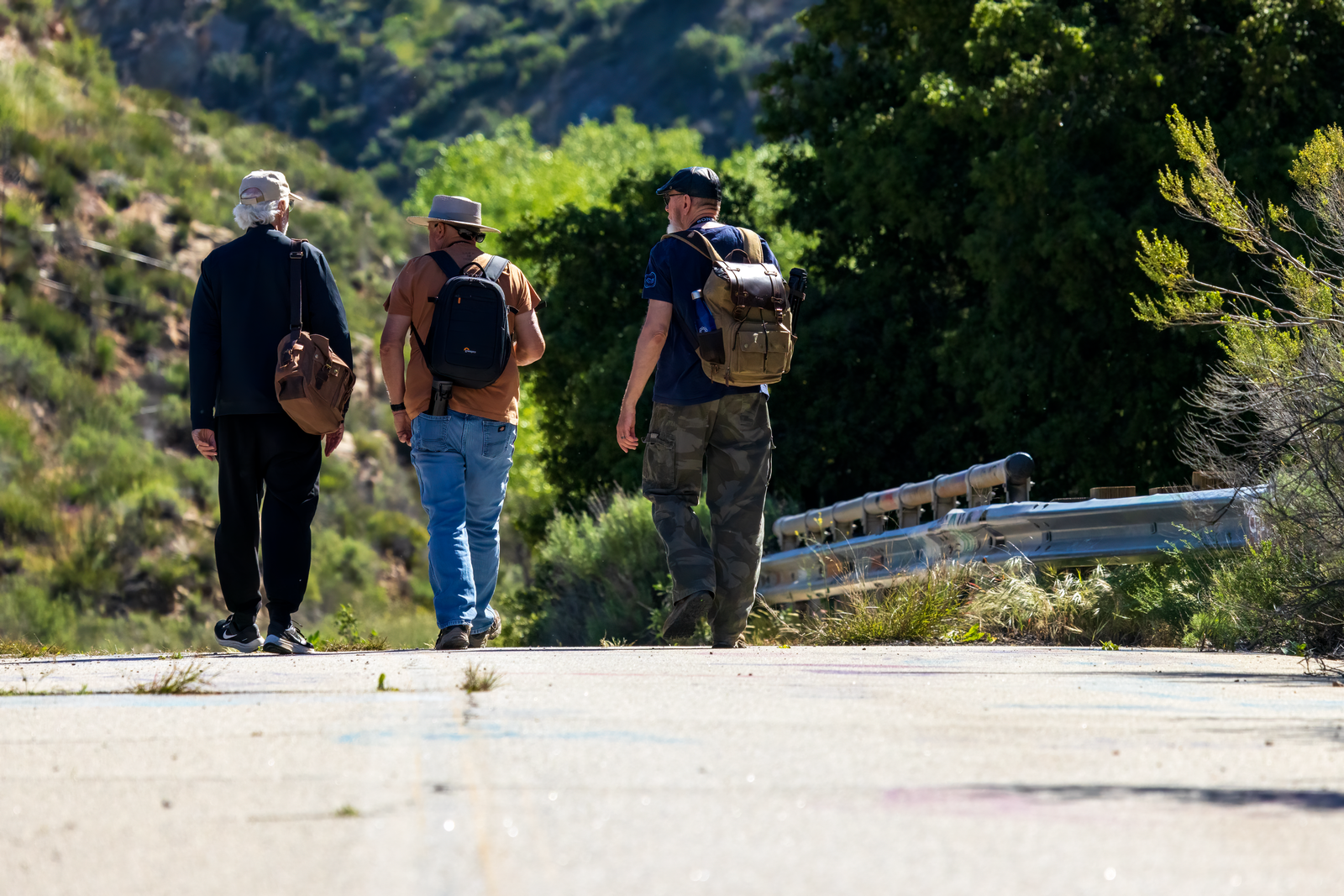
Cover photo by David Brown on Pexels.