Clamshell vs Top Loading Backpack: One-Bag Travel Guide
Should you choose a clamshell or top-loading backpack for one-bag carry-on travel? Choose a clamshell backpack if you want a 180-degree suitcase-style opening, rapid TSA laptop access, and organized packing for 3- to 7-day trips. Choose a top-loading backpack if you prioritize wilderness weatherproofing, haul bulky outdoor equipment, or prefer vertical cinch compression without perimeter zipper stress.
Scenario-Based Comparison: Clamshell vs. Top-Loading in Action
| Travel Scenario | Clamshell Backpack (180° Panel Load) | Top-Loading Backpack (Cinch / Top Zip) | Winner & Operational Impact |
| --- | --- | --- | --- |
| Airport TSA Security Screening | Unzips flat to expose dedicated laptop sleeve; liquids pouch retrieved instantly from top/side pockets. | Requires digging vertically past clothing layers to reach bottom-placed tech or liquids. | Clamshell: Saves 2–3 minutes at security checkpoints while keeping packed clothes intact. |
| Hotel / Airbnb Outfit Selection | Opens completely flat like a suitcase; all packing cubes and garments are visible without disturbing layers. | Operates as a vertical funnel; accessing items at the bottom requires removing top layers. | Clamshell: Eliminates wardrobe unloading and keeps outfits organized throughout the trip. |
| In-Flight Overhead Bin Access | Front-facing organization pockets allow quick item retrieval while bag rests in the overhead bin or floor. | Deep main cavity requires pulling the entire bag out and uncinching top drawstrings. | Clamshell: Offers superior mid-transit access to headphones, chargers, and travel documents. |
| Heavy Rain & Weather Exposure | Perimeter zipper track creates minor entry points unless protected by storm flaps or water-resistant fabric. | Cinch top with overlapping hood cap creates an umbrella effect, highly resistant to downpours. | Top-Loader: Superior water shedding for extreme outdoor wilderness conditions. |
| Overpacking & Zipper Stress | Requires manual compression of bulky items so perimeter zippers close smoothly without strain. | Allows overstuffing upwards past the rim using expandable collar drawstrings. | Top-Loader: Better suited for irregular, unorganized bulky gear. |
Evaluating how each backpack architecture performs under real-world travel conditions highlights distinct operational advantages and bottlenecks.
Structural Trade-Offs & Failure Modes
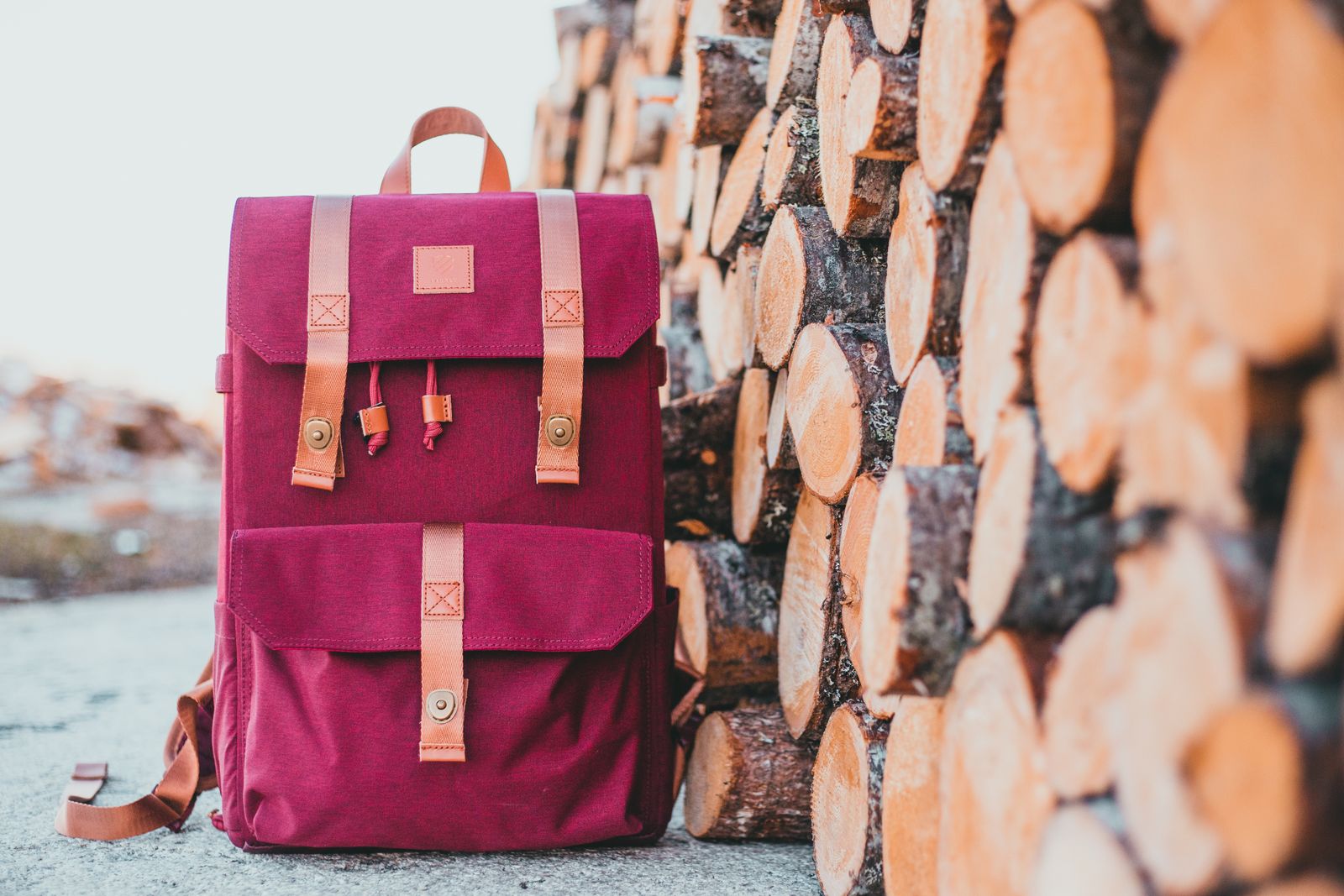
Photo by Erik Mclean on Pexels
Pros
- 180-Degree Flat Lay: Packs exactly like a hardshell suitcase, maximizing rectangular carry-on space.
- TSA Efficiency: Integrated rear compartment isolates up to 17-inch laptops for security scans.
- Zoned Pocketing: 16 dedicated organization slots keep passport, cables, and toiletries immediately accessible.
- Luggage Compatibility: Integrated pass-through strap slides seamlessly over rolling luggage handles.
- Perimeter Zipper Failure Risk: Overstuffing without modular compression cubes puts high tension on long zipper tracks.
- Surface Footprint Required: Needs a flat surface (bed, desk, or luggage rack) to open completely.
- The Top-Loader Rummage Tax: Digging vertically through top-loaders causes mid-trip disorganization and wrinkled clothing.
- Top-Loader Tech Delay: Standard top-loaders lack dedicated laptop compartments, forcing tech to be packed near clothes.
The Optimal One-Bag Travel Solution: Lefame 40L Clamshell Backpack
For travelers navigating airports, hotel rooms, and urban transit, the Lefame 40L Travel Backpack by Jet Ready Bag combines the packing organization of a hardshell suitcase with the mobile agility of an ergonomic backpack.
- 180° Suitcase-Style Opening: Fully opens for zero-friction packing and outfit visibility.
- Included 3-Piece Packing Cube System: Includes tailored clothing, shoe, and toiletry cubes that align perfectly with the bag's internal geometry to prevent zipper strain.
- Tech-Ready Suite: Rear padded compartment fits up to a 17-inch laptop plus a tablet.
- Airport Optimization: Luggage pass-through strap, hidden anti-theft back pocket, and water-resistant exterior fabric.
Pro Packing Tip: Packing Cubes as Structural Modules
To maximize the advantages of a clamshell backpack while eliminating perimeter zipper strain, treat packing cubes as modular structural blocks. Place dense shoe and toiletry cubes along the bottom seam near the back panel to maintain a low center of gravity. Lay flat garment cubes across the primary compartment. This configuration prevents gear from shifting vertically when carried and ensures the zippers glide effortlessly without catching on loose fabric.
Decision Tree: Which Backpack Opening Style Fits Your Trip?
- Is your primary travel mode air travel, hotel stays, or urban commuting? → Yes: Do you carry a 15-inch to 17-inch laptop and require rapid airport security access?. No: Are you primarily hiking in remote wilderness, carrying sleeping bags, or facing extreme downpours?
- Do you carry a 15-inch to 17-inch laptop and require rapid airport security access? → Yes: RECOMMENDATION: Choose a 40L Clamshell Backpack (Lefame 40L). Offers full 180° visibility and dedicated laptop protection.. No: RECOMMENDATION: Choose a Hybrid Clamshell/Panel Loader with modular cubes for organized travel.
- Are you primarily hiking in remote wilderness, carrying sleeping bags, or facing extreme downpours? → Yes: RECOMMENDATION: Choose a Top-Loading Backpack with a cinch collar and rain cover for maximum element defense.. No: RECOMMENDATION: Choose a Clamshell Backpack for city breaks and general travel convenience.
Your Next Step Toward Efficient One-Bag Travel
Your decision: Choose a 180-degree clamshell travel backpack if carry-on convenience, airport security speed, and structured outfit access are your primary travel goals.
Do this next: Equip yourself with a 40L clamshell travel backpack featuring dedicated laptop protection and matching packing cubes.
Related resource: Always verify airline carry-on and personal item dimensions prior to departure.Explore the Jet Ready Bag (Lefame 40L Travel Backpack) complete with the 3-piece packing cube set at https://jetreadybag.com.
Ready to upgrade your travel experience? Select a carry-on pack designed to streamline airport security, keep your wardrobe organized, and protect your electronics.
Key Takeaways: Architecture Dictates Travel Efficiency
- Visibility & Organization: Clamshell backpacks open flat 180 degrees like a suitcase, eliminating the need to unpack top layers to reach items at the bottom.
- Transit Speed: Dedicated rear tech compartments in clamshell designs streamline TSA checkpoints by isolating 17-inch laptops without exposing personal clothing.
- Volumetric Packing: Rectangular clamshell designs maximize usable internal volume compared to cylindrical top-loaders.
- Zipper Protection: Using modular packing cubes in clamshell bags prevents overpacking stress on perimeter zippers.
- Ergonomics: Padded shoulder straps, breathable back panels, and luggage pass-through straps ensure comfort during extended airport transfers.
Buyer's Decision Support Framework

Photo by Maksim Goncharenok on Pexels
Clamshell backpacks open 180 degrees like a suitcase, offering superior visibility, fast TSA access, and organized wardrobe layout for 3 to 7-day air trips. Top-loading backpacks feature cinch tops designed for wilderness hauling and extreme weather protection.
Best choice for
- Clamshell Backpack (180° Panel Load) — Flat-lay packing keeps garments folded, organized, and quickly accessible without unpacking.
- Clamshell Backpack with Dedicated Laptop Sleeve — Isolates up to 17-inch laptops for fast removal at airport security.
- Top-Loading Backpack — Fewer perimeter zippers enhance weather resistance and accommodate bulky, unorganized outdoor gear.
- Avoid top-loaders if you need fast access to laptops or business documents during airport transit.
- Avoid unreinforced clamshell bags if you regularly overstuff equipment without using compression cubes.
- Clamshell Pack + 3-Piece Packing Cube System — Provides full internal organization while maintaining proper weight balance and zipper protection.
Engineered for Travel: The Lefame 40L Clamshell System
The Lefame 40L Travel Backpack is built specifically for minimalist, one-bag travelers. Its 180-degree suitcase-style main compartment works in tandem with an included 3-piece packing cube set to maximize usable space while maintaining airline compliance.
Real-World Travel Scenarios: Clamshell vs. Top-Loader
TSA Security Checkpoints — Use a clamshell bag with a independent rear tech compartment. Unzipping the laptop sleeve allows quick security scanning without exposing packed wardrobe items or creating delays.
Hotel & Airbnb Living — Clamshell bags act as portable closets. Open the bag 180 degrees on a luggage rack or bed to access specific clothing cubes without disturbing the rest of your packed gear.
Daily Commuting & Gym-to-Office — Utilize multi-pocket clamshell organization. Dedicated compartments isolate dirty gym clothes or shoes from work laptops, documents, and small electronics.
Detailed breakdowns of how bag architecture performs across actual travel environments.
When evaluating backpack architecture for one-bag travel, understanding internal volume distribution is critical. While both a clamshell backpack and a top-loading backpack may be rated for 40 liters, their structural layouts dictate how efficiently that volume can be used.
The Cylindrical Bottleneck of Top-Loaders
Top-loading backpacks originate from outdoor alpine designs. They rely on a vertical, cylindrical tube structure closed by a top drawstring cinch. This shape is ideal for pushing soft gear like sleeping bags down into the cavity. However, for travel items—such as folded shirts, trousers, shoe bags, and laptop sleeves—the cylindrical shape creates dead space in the corners. Accessing an item stored near the base requires removing everything packed above it, creating what savvy travelers call the "top-loader rummage tax."
The Rectangular Efficiency of 180-Degree Clamshells
In contrast, a clamshell backpack like the Lefame 40L uses a rectangular perimeter zip design modeled after modern hardshell suitcases. Opening 180 degrees flat exposes the full length and width of the interior volume simultaneously.
This layout offers two distinct advantages:
Tech Integration and Airport Transit
Modern travel requires immediate access to electronics. Top-loading bags usually feature internal hydration or basic laptop sleeves located deep inside the main compartment. Removing a 17-inch laptop at security requires uncinching the main top opening and pulling out clothes.
Clamshell travel bags solve this by placing a dedicated padded laptop compartment on the rear panel against the harness system. This positioning keeps heavy electronics close to the traveler's center of gravity for carry comfort while allowing instant external zip access during TSA screening.
Related Guides & One-Bag Resources
Expand your knowledge on one-bag travel optimization, airline limits, and smart packing techniques:
- How to Pack a 40L Clamshell Backpack for 7-Day Trips
- Packing Cube Architecture: Maximizing Space in Suitcase-Style Backpacks
- TSA Carry-On Guidelines & Laptop Size Rules for US Travel
Frequently Asked Questions
What is the short answer on Clamshell vs Top Loading Backpack? Should you choose a clamshell or top-loading backpack for one-bag carry-on travel? Choose a clamshell backpack if you want a 180-degree suitcase-style opening, rapid TSA laptop access, and organized packing for 3- to 7-day trips.
How do you choose between the options in Clamshell vs Top Loading Backpack? Should you choose a clamshell or top-loading backpack for one-bag carry-on travel?
What should you do next? Should you choose a clamshell or top-loading backpack for one-bag carry-on travel?