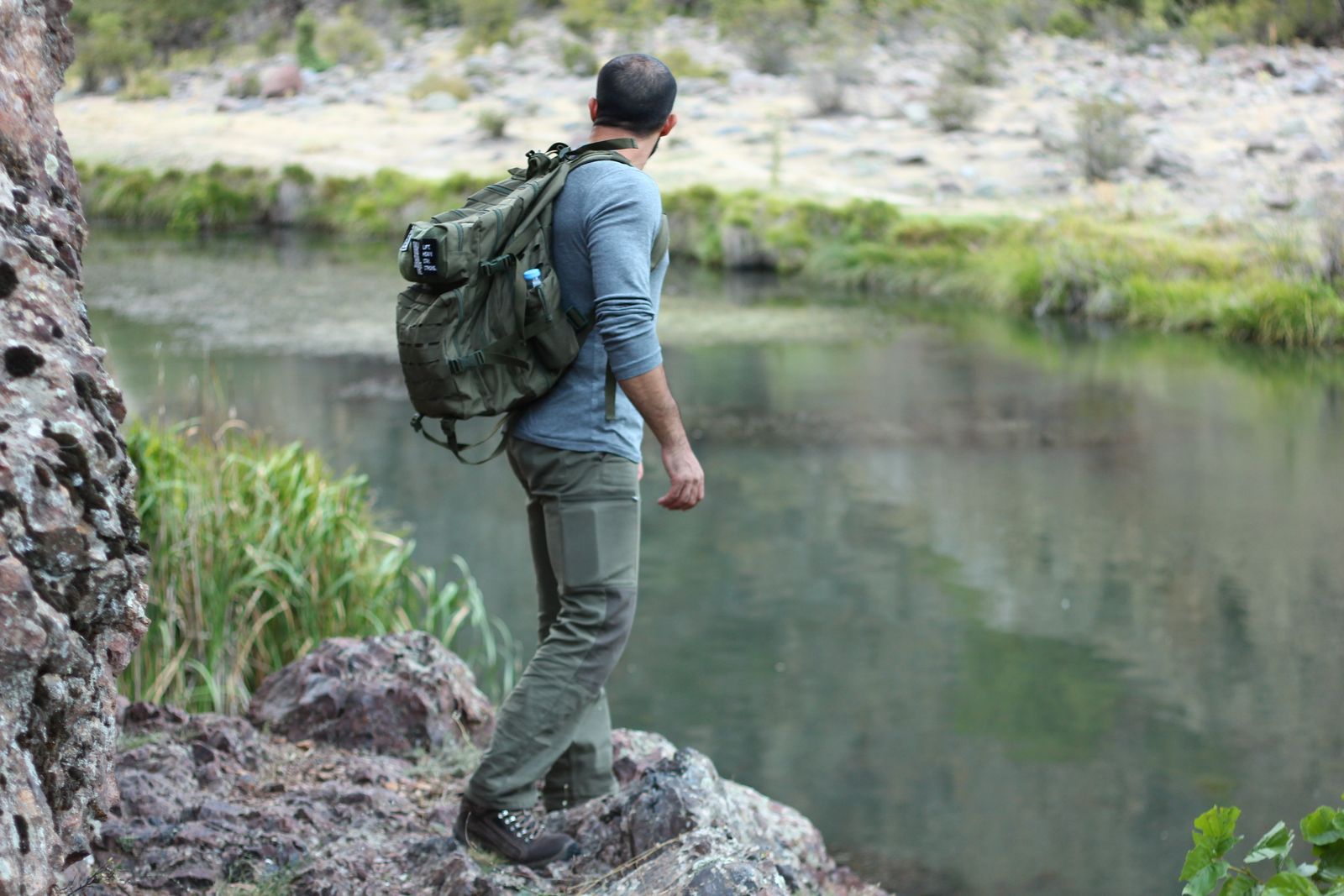
How to Pack Liquids and Electronics in Carry-On for Fast TSA Screening
To pass through TSA security in under 30 seconds without opening your main clothing section, follow the 1-Zone Extraction Protocol: store your 3-1-1 liquids (containers under 3.4 oz / 100 ml in a 1-quart clear pouch) in your backpack's top quick-access exterior pocket, and slide your laptop (up to 17 inches) and power bank (under 100Wh) into an independent, 180-degree flat-lay rear compartment.
Core Principles of TSA-Ready One-Bag Organization
- 3.4 oz (100 ml) Container Cap: All carry-on liquids, gels, and aerosols must fit in containers of 3.4 oz or smaller, consolidated inside a single clear 1-quart zip-top pouch.
- 100 Watt-Hour Battery Ceiling: Lithium-ion power banks must remain in carry-on luggage and cannot exceed 100Wh (approx. 27,000 mAh at 3.7V) without explicit airline approval.
- 180-Degree Flat-Lay Laptop Clearance: Dedicated independent rear laptop compartments allow 17-inch laptops to lay flat on conveyor belts without unzipping the main clothing section.
- Exempt Liquid Declaration: Prescription medications, baby milk/formula, and hand sanitizers up to 12 oz are exempt from 3-1-1 volume limits but must be declared separately at screening.
- Cabin Pressure Protection: Squeezing excess air out of flexible travel bottles before capping prevents lid blowouts caused by 8,000-foot cabin pressure changes.
TSA Compliance Specification Matrix for Tech & Liquids
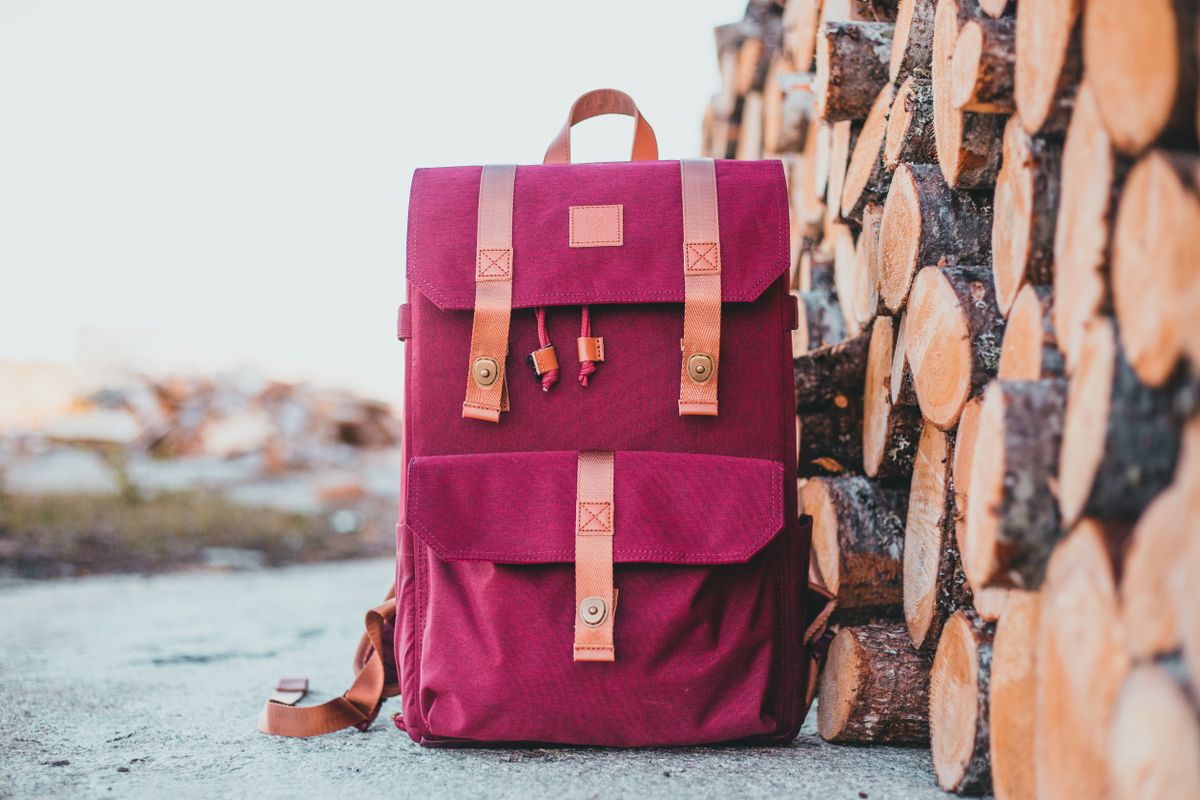
Photo by Erik Mclean on Pexels
| Item Category | TSA / FAA Limit | Optimal Pocket Placement | Screening Action Required |
| --- | --- | --- | --- |
| Standard Liquids & Gels | Max 3.4 oz (100 ml) per container; 1 quart pouch total | Top Quick-Access External Pocket | Remove pouch & place in bin (Standard Line) |
| Laptops (up to 17-inch) | No size limit, but must lay flat without overlap | Dedicated Rear Independent Sleeve | Unzip sleeve flat or place in bin (Standard Line) |
| Lithium Power Banks | Max 100 Watt-Hours (27,000 mAh) without airline permit | Rear Tech Pocket / Cable Organizer | Keep in carry-on; place in bin if requested |
| Exempt Liquids (Meds/Baby) | Reasonable quantities exceeding 3.4 oz permitted | Front Exterior Zipper Pocket | Declare verbally to TSA officer before screening |
| Loose Cables & Adapters | No limit; subject to clutter inspection | Internal Mesh Cable Pouch | Keep zipped inside backpack |
Review exact federal screening thresholds, container caps, and optimal pocket assignments before loading your carry-on backpack.
Carry-On Tech & Liquids Pocket Architecture Map
This cross-sectional layout map demonstrates how to divide a 40L clamshell backpack into three distinct screening zones to maximize TSA throughput speed.
Pre-Flight TSA Screening Readiness Checklist
- All liquid containers are 3.4 oz (100ml) or less and fit within 1 clear quart-sized pouch.
- Medically necessary liquids, prescription fluids, or baby formulas are separated and ready to declare.
- Power banks under 100Wh are verified and packed in carry-on (never in checked luggage).
- Laptop (up to 17 inches) is placed in the independent rear sleeve for 5-second extraction.
- Loose charging cables, metal adapters, and dongles are organized in a dedicated zip pouch.
Expert Packing Tip: Thermal and Pressure Proofing Liquids
Commercial aircraft cabins are pressurized to roughly 6,000 to 8,000 feet during flight. As altitude increases, trapped air inside rigid plastic toiletry bottles expands, forcing shampoo or lotion past screw-thread seals.
The Air-Purge Technique: Before tightening bottle caps, squeeze the bottle slightly until liquid reaches the neck, expelling trapped air. Cap tightly while squeezed. The resulting negative internal pressure accommodates air expansion during climb-out without rupturing your 3-1-1 clear pouch.
Packing Strategy Decision Support: Security Lane Profiling
Configure your backpack's external pockets based on whether you are using Standard TSA screening, TSA PreCheck, or International Aviation Security lanes.
Best choice for
- 1-Zone External Extraction Layout — Top quick-access pocket holds liquids pouch; rear padded compartment holds 17-inch laptop. Allows full retrieval in 8 seconds without exposing clothing.
- Integrated Flat-Lay Internal Layout — Liquids and laptops remain fully inside the backpack. Padded 17-inch rear sleeve protects electronics while bag passes under X-ray.
- Full Separation Layout — Foreign security agencies (e.g., Heathrow, Frankfurt) frequently require laptops, power banks, and liquids in separate trays. Keep power banks in an outer sleeve.
- Burying 3-1-1 liquid pouches inside deep clothing packing cubes in the main clamshell compartment.
- Packing power banks over 100Wh or placing lithium batteries in checked baggage.
- Modular Tech Pouch + External Toiletry Bag — Allows instant separation of chargers and liquids when transferring between domestic and international carriers.
Built for TSA Efficiency: The Lefame 40L Travel Backpack
Engineered specifically for single-bag efficiency, the Lefame 40L Travel Backpack eliminates security line bottlenecks through purpose-built architecture.
- 180-Degree Clamshell Design: Packs flat like a suitcase, letting you organize clothing using the 3 included packing cubes while keeping tech isolated.
- Dedicated 17-Inch Rear Laptop Compartment: Fully padded independent sleeve unzips flat for rapid TSA inspection without disturbing clothing.
- 16-Pocket Smart Layout: Features a top quick-access liquids pocket, hidden rear passport security pocket, and dedicated cord slots.
- Weather-Resistant Exterior: Water-resistant fabric shields high-value electronics and chargers from rain and tarmac splashes.
- Travel-Ready Ergonomics: Padded shoulder straps, breathable back panel, and a luggage pass-through strap make terminal sprints effortless.
The Physics of TSA 3-1-1 Liquids Compliance
The Transportation Security Administration enforces the 3-1-1 rule across all US commercial airports: containers must be 3.4 ounces (100 milliliters) or smaller, placed in 1 clear, quart-sized plastic bag, with 1 bag permitted per passenger.
Volumetric enforcement relies on container capacity, not remaining fluid volume. A 6-ounce toothpaste tube containing only 1 ounce of paste will be confiscated at the X-ray station. To maximize space inside your 1-quart pouch, transition non-fluid grooming products to solid alternatives—such as bar shampoos, solid deodorants, and toothpaste tablets—reserving liquid volume for items like contact lens solution and prescription creams.
Lithium-Ion Power Bank Watt-Hour Limits
Under Federal Aviation Administration (FAA) and International Air Transport Association (IATA) hazardous materials regulations, lithium-ion power banks are strictly prohibited in checked baggage due to fire risks. They must be carried in passenger cabins.
Power banks are capped at 100 Watt-hours (Wh) per battery without airline authorization. To determine if your portable charger is compliant, calculate its watt-hours using the standard battery formula:
$$\text{Watt-Hours (Wh)} = \frac{\text{Milliampere-Hours (mAh)} \times \text{Voltage (V)}}{1000}$$
For a standard 3.7V external battery pack:
- 20,000 mAh: $(20,000 \times 3.7) / 1000 = 74\text{ Wh}$ (Fully Compliant)
- 26,800 mAh: $(26,800 \times 3.7) / 1000 = 99.16\text{ Wh}$ (Compliant — Maximum Limit)
- 30,000 mAh: $(30,000 \times 3.7) / 1000 = 111\text{ Wh}$ (Non-Compliant — Subject to Confiscation)
Flat-Lay Laptop Compartment Architecture
Standard TSA screening guidelines state that laptops must be removed from carry-on bags and placed in a dedicated bin unless packed in a designated TSA-friendly bag. A bag is considered TSA-friendly when the laptop sleeve unzips 180 degrees to lay flat on the conveyor belt, providing an unobstructed X-ray image without metal zippers, power cables, or secondary electronics positioned directly above or below the screen.
The Lefame 40L travel backpack incorporates an independent rear sleeve engineered specifically for screens up to 17 inches. By keeping power adapters in separate interior organizer slots, the laptop compartment yields an unobstructed X-ray profile, allowing travelers in standard lines to unzip the rear section 180 degrees flat without removing the computer from the bag.
Security Screening Scenarios: Packing Setup vs. Clearance Speed
Photo by Tima Miroshnichenko on Pexels
| Travel Scenario | Backpack Packing Strategy | Avg. Checkpoint Time | Manual Search Risk |
| --- | --- | --- | --- |
| Standard Line (Top-Loading Pack) | Liquids and 17" laptop buried inside main main compartment | 180 - 240 seconds | High (65%) — Unpacking causes clutter |
| Standard Line (Lefame 40L 1-Zone) | 3-1-1 bag in top pocket; laptop in 180° rear flat-lay sleeve | 25 - 40 seconds | Low (5%) — Immediate 2-item extraction |
| TSA PreCheck (Lefame 40L) | All tech and liquids remain sealed in designated pockets | 15 - 20 seconds | Very Low (<1%) — Clear X-ray profile |
| International Transit (Heathrow/Frankfurt) | Liquids in top pocket; power bank & laptop in rear compartment | 45 - 60 seconds | Moderate (15%) — Strict tray division |
Compare checkpoint processing times and inspection risks across different packing configurations.
5 High-Cost TSA Packing Errors That Cause Bag Searches
Avoid these common organizational oversights that trigger secondary screening and manual bag searches at airport checkpoints.
Frequently Asked Questions About Carry-On Screening
Get instant answers to critical security screening and maintenance questions.
Your Immediate Pre-Flight Action Plan
Your decision: Determine whether your upcoming trip uses Standard TSA screening, TSA PreCheck, or International screening lanes.
Do this next: Pack your 3-1-1 liquids pouch in the top quick-access pocket and slide your 17-inch laptop into the independent rear compartment of your travel backpack.
- Read next: How to Get Through Airport Security Faster with One-Bag Travel
- Read next: TSA Carry-On Laptop Rules: Can You Pack a 17-Inch Laptop?
Streamline your journey with the Lefame 40L Travel Backpack, engineered with a 180-degree clamshell opening and dedicated rear 17-inch laptop sleeve for 30-second airport clearance.
Prepare your gear for seamless airport transit on your next journey.
Essential Guides for One-Bag Travel Mastery
Offer internal link navigation to relevant cluster guides.
Cover photo by Erhan Anbar on Pexels.