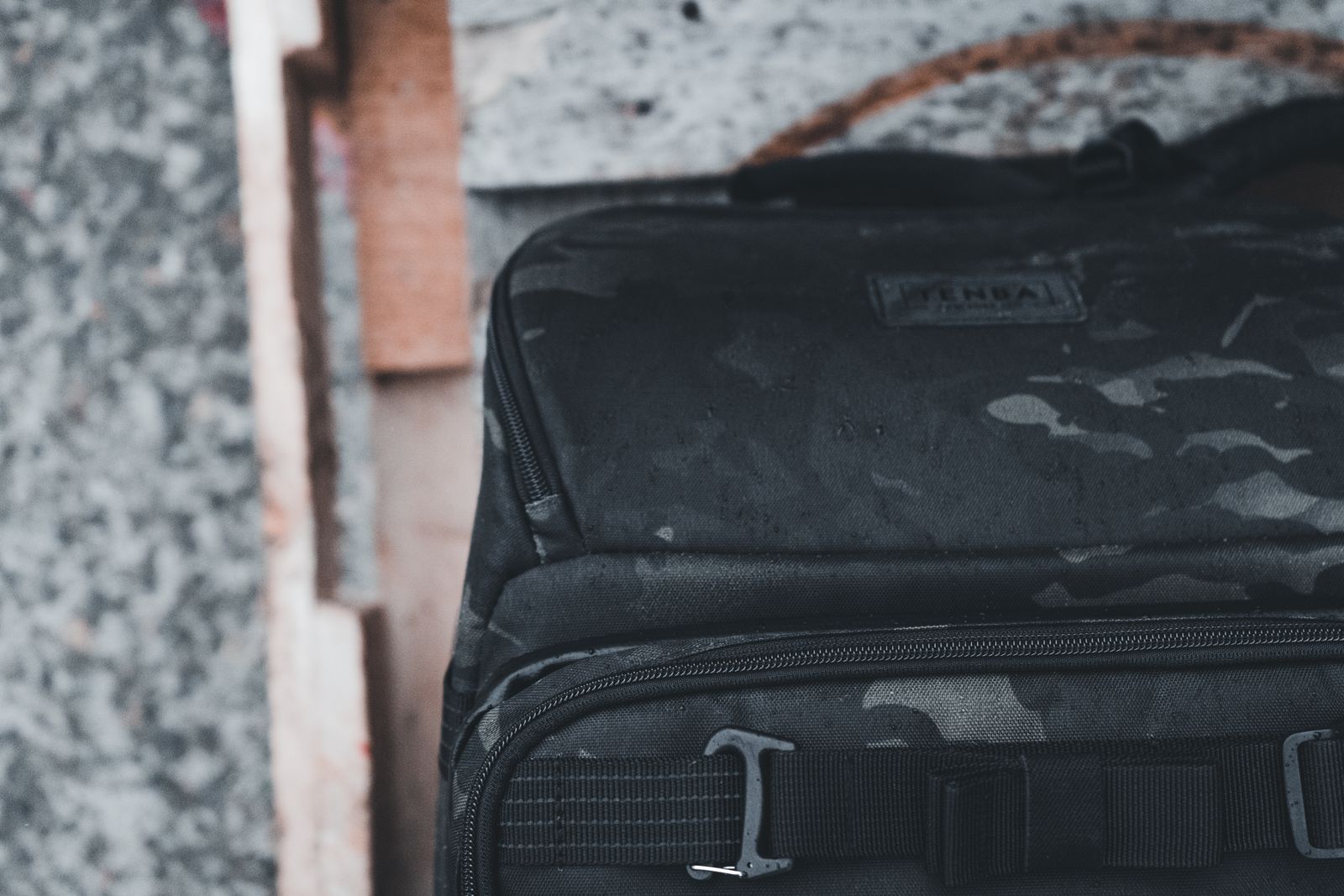
180-Degree Flat-Pack Loading: How to Organize Your Backpack's Modular Pockets
The 60/30/10 weight rule governs optimal 180-degree flat-pack loading: allocate 60% of total gear weight (clothing packing cubes and heavy shoes) to the deep main tub closest to your spine, 30% (laptops, chargers, dopp kits) to mid-depth structured pockets, and 10% (passports, sunglasses, tickets) to exterior lid pockets. This prevents front-sag torque, protects perimeter zippers from shearing, and streamlines TSA security screening.
Key Principles of Clamshell Pocket Management
- 60/30/10 Load Balance: Keeps 60% of weight centered against the back panel to prevent backward pull and shoulder strain.
- 180-Degree Open Geometry: Eliminates top-loading 'backpack digging' by exposing all 16 internal and external storage pockets simultaneously.
- 17-Inch Laptop Isolation: Rear padded tech vaults store laptops up to 17 inches flat along the spine, shielding electronics from main cavity pressure.
- Lid Torque Mitigation: Limiting Zone 3 (exterior lid) load to under 2.5 lbs prevents the front panel from sagging or binding 360-degree perimeter zippers.
- Modular Cube Alignment: 3 custom-fit packing cubes lock the 40L main compartment into rigid geometric blocks that do not shift during transit.
Modular Pocket Zoning Specification Matrix
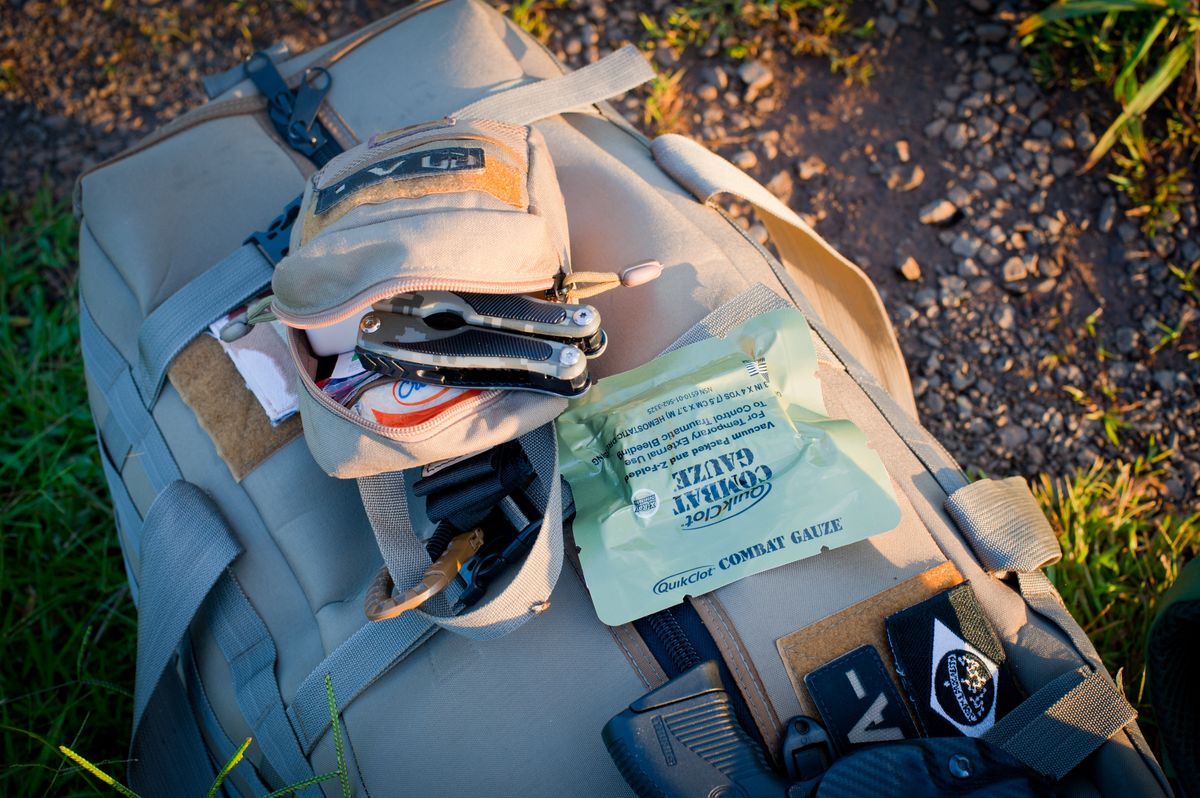
Photo by Dan Galvani Sommavilla on Pexels
| Zone | Depth Profile | Volume Share | Target Item Density | Access Frequency |
| --- | --- | --- | --- | --- |
| Zone 1: Spine & Tub Base | 4.0 to 5.5 inches | 60% (approx. 24L) | High (Apparel Cubes, Footwear) | Low (Unpacked at Destination) |
| Zone 2: Mid-Chamber & Tech Vault | 1.5 to 2.5 inches | 30% (approx. 12L) | Medium (17in Laptop, Tablet, Dopp Kit) | Moderate (TSA Checkpoints, In-Flight Work) |
| Zone 3: Lid & Perimeter Pockets | 0.5 to 1.0 inches | 10% (approx. 4L) | Low (Passport, Cables, Eyewear, Keys) | High (On-the-Go / Boarding) |
A 40L clamshell backpack distributes space across three primary functional depth profiles. Matching gear density to pocket depth maintains structural balance and gear integrity.
Visual Mapping: 180-Degree Flat-Lay Pocket Layout
Flat-Pack Loading Checklist for 3 to 7-Day Trips
- Unzip main compartment 180 degrees flat on a clean bed or table surface.
- Insert 17-inch laptop and tablet into dedicated rear padded compartment while bag is flat.
- Place clothing packing cubes into the deep bucket tub, keeping dense items nearest the back panel bottom.
- Store shoes/toiletries in dedicated mid-compartment structural pockets (Zone 2).
- Slot small tech, keys, cables, and passport into designated mesh/hidden lid pockets (Zone 3).
- Zip clamshell shut, engage exterior compression straps, and verify harness height adjustment.
Pro Tip: Preventing Lid Sag and Zipper Shearing
> Savvy Traveler Rule: Never place your heaviest items (such as a heavy charging brick or full dopp kit) into top-front lid pockets. When a clamshell backpack is worn upright, items in the outer front lid exert cantilever torque on the main zipper track. Keep the total front-lid load under 2.5 lbs (1.1 kg). This forces the bag's center of gravity backward toward your body, extending zipper lifespan and keeping the pack standing upright on airport floors.
Immediate Action Steps & Post-Packing Workflow
Your decision: Transition from chaotic packing to a structured 60/30/10 modular pocket strategy.
Do this next: Lay your bag flat at 180 degrees, group items into 3 weight zones, and test your laptop/liquids extraction speed before heading to the airport.
Related resource: Check out official TSA guidelines for 17-inch laptop extraction and carry-on liquid limits.
Engineered with 16 dedicated pockets, a 180-degree flat-open main compartment, and an independent 17-inch laptop vault, the Jet Ready Bag (Lefame 40L) comes complete with 3 custom-fit packing cubes.
Pocket Allocation Strategy by Trip Profile
Choose pocket organization tactics based on your transit style and tech payload.
Best choice for
- 3-Zone Modular Pocket Mapping with Rear Laptop Integration — Balances 60% clothing volume in main tub with instant TSA tech extraction from the rear compartment.
- Compression Cube Centric Flat-Lay Layout — Locks down apparel density near the frame, keeping front lid pockets completely flat for under-seat clearance.
- Stuffing heavy shoes or dense dopp kits into the top front-panel pockets of a clamshell bag.
- Top-Loading Stuff-Sack Style — Better for wilderness trekking where instant open-flat access is unnecessary.
Recommended Gear for Flat-Pack Systems
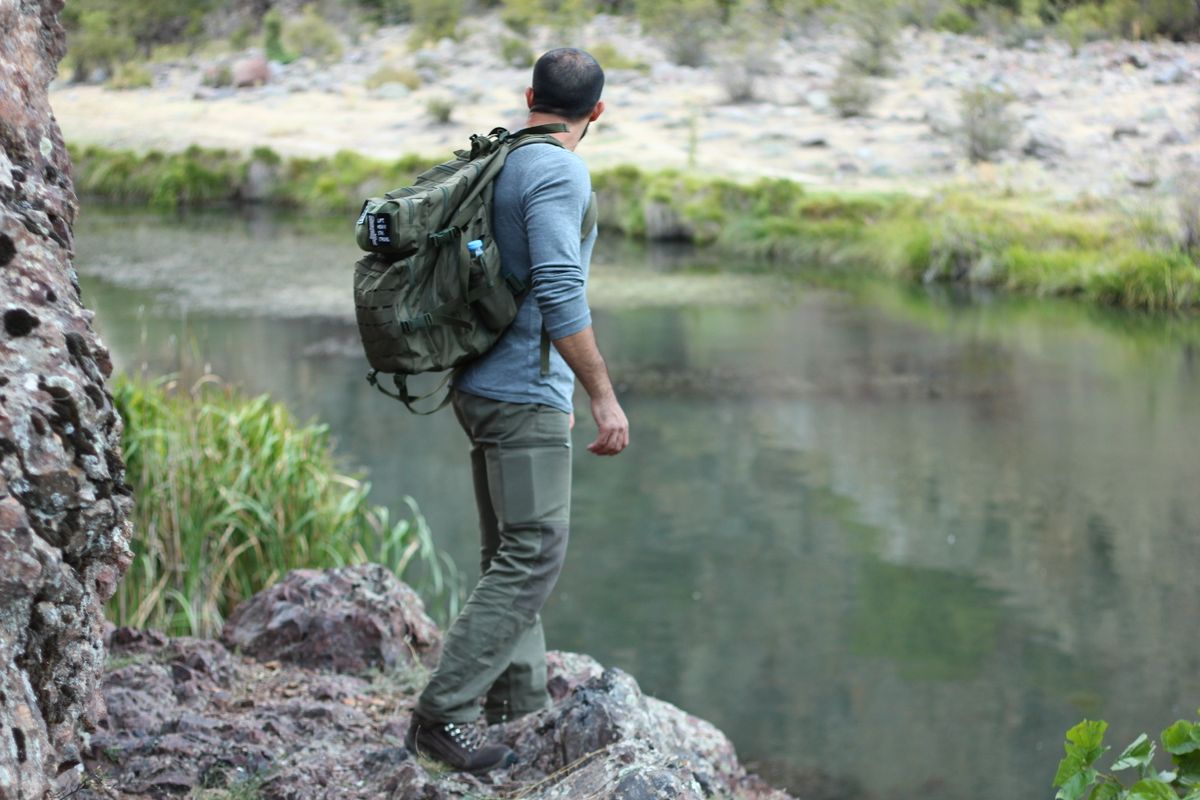
Photo by Erhan Anbar on Pexels
To execute the 60/30/10 flat-packing methodology flawlessly, your backpack must provide structural rigidity, a 180-degree lay-flat opening, and dedicated pocket zoning.
Packing a traditional top-loading backpack forces travelers into a vertical 'archaeological dig'—every time you need an item from the bottom, you must displace everything stacked above it. In contrast, a 180-degree flat-open clamshell backpack functions as a portable trunk, opening completely flat to expose both the main bucket tub and lid organizer panels.
Center of Gravity and Load Leverage
When carrying a 40L payload (typically weighing 15 to 22 lbs), load distance from the spine dictates shoulder fatigue. The math is simple: for every inch a heavy object moves away from your spine, the perceived load on your shoulders increases exponentially due to rotational leverage.- Zone 1 (Deep Bucket Tub): Occupies the 4.0 to 5.5 inches directly adjacent to the harness frame. By placing heavy apparel cubes and extra footwear here, 60% of your pack weight rests against your back's center of mass. This allows the hip belt and padded shoulder straps to transfer weight directly to your pelvis.
- Zone 2 (Mid-Chamber & Tech Spine): Holds structured mid-weight items. Electronics, such as a 17-inch laptop, require flat structural support. Placing the padded laptop compartment directly against the back panel accomplishes two goals: it provides frame sheet rigidity for the bag and keeps expensive glass screens protected from exterior bumps.
- Zone 3 (Lid & Exterior Perimeter): Designed strictly for low-density items. Pockets built into the front flap or top exterior are intended for items with high access frequency—passports, boarding passes, wallet, cables, and liquid dopp kits under 3.4 oz. Keeping total lid pocket weight under 2.5 lbs prevents front-panel sag and maintains clean zipper tracking.
TSA Checkpoint Throughput Dynamics
Security screening efficiency depends entirely on your bag's pocket layout. A well-designed 180-degree backpack features dedicated access points that eliminate the need to disrupt your neatly folded clothing.Pocket Allocation Across Travel Scenarios
| Travel Scenario | Zone 1 (Spine / Base) | Zone 2 (Mid-Tub & Tech) | Zone 3 (Lid & Quick Access) | TSA Checkpoint Speed |
| --- | --- | --- | --- | --- |
| 3-Day Business Trip | 1 Main Clothing Cube (2 Suits/Shirts), Dress Shoes | 17in Laptop, Tablet, Power Brick, Presentation Folder | Passport, ANC Headphones, Phone Charger, Business Cards | Sub-15 Seconds (Dedicated Tech Vault Draw) |
| 7-Day Leisure Vacation | 3 Packing Cubes (Apparel, Underwear, Footwear) | Dopp Kit, E-Reader, Compact Camera, Travel Towel | Sunglasses, Liquids Bag, Passports, Water Bottle | Sub-30 Seconds (Top Liquid & Tech Extraction) |
| Gym-to-Office Daily Carry | Gym Clothes Cube, Running Shoes, Lunch Container | 15in/17in Work Laptop, Notebook, Cable Organizer | Keys, Transit Card, Earbuds, Wallet | Instant (Non-Flight Mode) |
How you map a 180-degree open backpack depends on your trip profile and transit demands. Compare target pocket allocations for three standard travel scenarios below.
5 Critical Packing Errors in 180-Degree Backpacks
Explore One-Bag Packing Resources
For further insights into mastering minimalist travel and flight efficiency, explore these practical travel guides:
- Maximizing 40L Space: How to Pack a 40L Clamshell Backpack for 7-Day Trips
- Tech Management: Organizing Travel Electronics, Cables, and Power Banks
- Airport Transit: TSA Security Screening Rules for Laptops and Carry-On Liquids
- Cube Optimization: Compression Cubes vs. Standard Mesh Packing Cubes
Frequently Asked Questions
Architectural Breakdown: Deep Bucket vs. Lid Pockets
Analyze physics of center-of-gravity placement in clamshell travel bags.
Cover photo by Erik Mclean on Pexels.